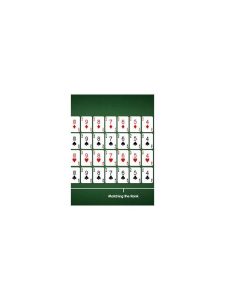
Rummy Comparison: Manual Counting Versus Visual Grouping
Manual counting means tracking cards, points, or missing requirements with deliberate arithmetic. Visual grouping means arranging cards so sequences, sets, and loose cards can be recognized at a glance. Both methods can help, but they solve different problems. Counting is precise when the question is numerical; visual grouping is faster when the question is structural.
Manual counting works well for exposure. If a high-value card has no confirmed role, adding its points to your possible loss can make the risk concrete. Counting can also help when comparing two discard candidates with similar connections. Its weakness is mental load. If you calculate every possible route, your turn may become slower and you may give equal attention to options that are not equally realistic.
Visual grouping works well for changing hands. A clear layout shows which cards are already doing useful work and which are waiting for help. It makes a new draw easier to place and helps reveal when one card is being counted twice in different imagined groups. Its weakness is visual confidence: a neat-looking arrangement can feel valid even when a rule requirement is missing.
A combined method is usually strongest. First use visual grouping to create confirmed, developing, and loose zones. Then count only the numbers that affect the immediate choice: the point exposure of the weakest cards, the number of missing requirements, or the number of turns available. This selective arithmetic gives you useful precision without turning the whole hand into an accounting exercise.
Choose the method based on the decision. If you are checking whether a declaration is complete, use a rule-based count and inspect each group. If you are deciding which new card changed your plan, use visual grouping first. If two cards appear equally weak, count points and compare likely connections. The method should follow the question rather than a personal preference.
Practice by reviewing the same hand twice. On the first pass, arrange it visually and write the three zones. On the second, count only the facts that would have changed your discard. Notice where each method corrected the other. Over time, you will build a short routine: see the structure, measure the relevant risk, and make a decision that can be explained clearly afterward.
Keep the review practical by recording the question each method answered. “Visual grouping found the shared card” is different from “counting showed the release had higher exposure.” These notes make it easier to choose the right tool during a live turn.