Rummy Comparison: Fixed Rules and Flexible Heuristics
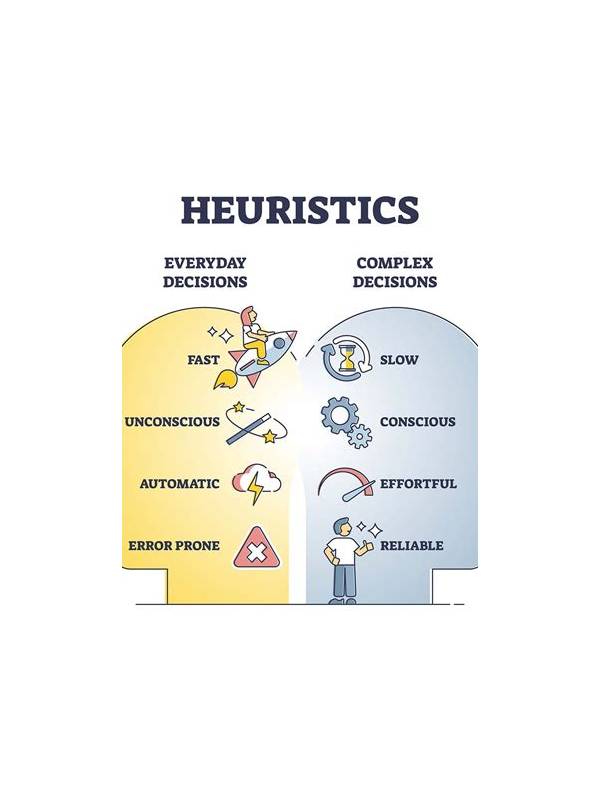
Rummy decisions benefit from two different tools: fixed rules and flexible heuristics. A fixed rule defines what is legal or required. A heuristic is a practical guide for comparing options when the rules leave several legal choices. Mixing them can lead to avoidable errors.
Use fixed rules first. Confirm the required sequences, set structure, joker treatment, declaration conditions, scoring, and turn mechanics for the format you are playing. If a proposed arrangement violates one of these rules, strategy cannot rescue it. Do not rely on a rule remembered from another platform or variation.
Use heuristics after legality is established. Examples include preferring a route with more useful connections, releasing high-value loose cards, or setting a deadline for a narrow draw. These are not laws. They are ways to organize uncertainty. A heuristic can be reasonable and still lose because the needed card never arrives or another player finishes first.
The difference matters during review. If a declaration fails because a group was illegal, that is a rule-learning issue. If a legal hand loses after a reasonable discard, that may be normal variance. If a heuristic repeatedly leads to weak routes, adjust the heuristic rather than rewriting the rules in your head.
Make heuristics conditional. Instead of “always keep pairs,” say “keep a pair when it has several plausible connections and an acceptable discard cost.” Instead of “always take a visible card,” say “take it when it clearly improves a legal group and does not damage a stronger route.” Conditional language makes your process responsive to format and hand stage.
This separation also improves communication at a table. You can explain which part is required and which part is a preference. That clarity reduces arguments based on confident but unsupported claims. Follow the official rules and platform terms, and treat strategy advice as a tool for judgment rather than a promise of results. When learning from others, ask whether their advice is a rule, an observed tendency, or a personal preference. Test preferences over several comparable situations, keeping format and scoring context visible. One successful outcome cannot establish a universal rule. Labeling advice accurately also makes it easier to discard a weak heuristic without feeling that you have violated a rule. It leaves room for respectful disagreement while keeping the actual format and evidence at the center of the discussion. This is especially helpful when a table uses a local variation.