Rummy Comparison: Fast Sorting Versus Deep Sorting
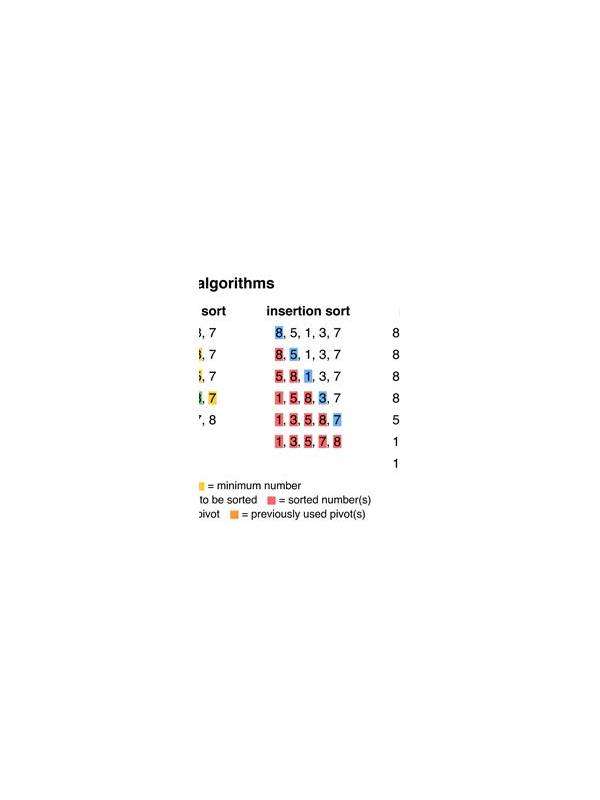
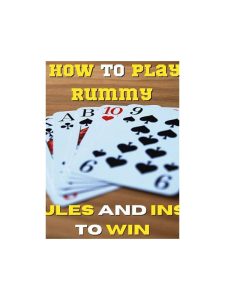
Sorting a rummy hand can be done at two speeds. Fast sorting creates an actionable view before your turn ends. Deep sorting examines every possible route and is better suited to practice or post-hand review. Knowing which mode you need prevents analysis from slowing play.
Fast sorting uses three groups: confirmed, developing, and loose. Place completed groups together, keep promising links nearby, and separate cards with no clear role. Then choose the discard that best improves clarity or lowers exposure. This method should take seconds and does not require listing every theoretical combination.
Deep sorting goes further. For each developing card, write the specific ranks or suits that would improve it, note whether those cards are visible, and compare the point cost of waiting. You can also consider what happens if the route fails. Deep sorting is useful when studying a hand because it makes hidden assumptions visible.
The two modes should not be confused. Trying to perform a full analysis during every live turn may cause missed deadlines and rushed actions. Conversely, relying on fast sorting during a review can leave important patterns unexplored. Match the method to the context.
A useful compromise is a fast first pass followed by one deep question. For example: “Which developing group has the clearest exit?” That question adds quality without opening ten new branches. If the hand remains unclear, use a deadline and revisit it after the next draw.
Practice deep sorting with sample hands and a timer. Reduce the time gradually while keeping the same three-group structure. The goal is not to calculate everything quickly. It is to recognize the important difference between a real route and an imagined one.
Sorting is a decision aid, not a substitute for judgment. Fast sorting preserves tempo; deep sorting improves understanding. Use each where it is strongest, and your arrangements will become both clearer and more efficient.
Deep sorting is also valuable when teaching a newer player. It gives them language for explaining why a card is promising without claiming that it will arrive. Fast sorting can then become the final lesson: after the analysis is complete, reduce it to the one or two facts that matter for the next turn. This progression builds both understanding and practical tempo.