Rummy Comparison: Drawing From Stock Versus Discard
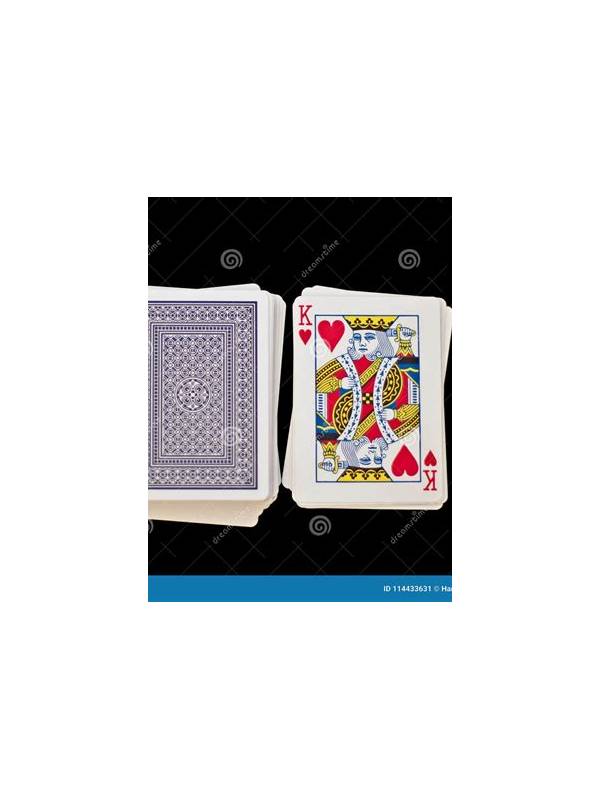
Choosing between the stock and the discard is more than choosing a hidden card or a visible card. The two sources differ in immediate information, what you reveal, and how much control you have over the next arrangement. Compare them on purpose rather than using one by habit.
The discard offers known value. You can see whether the card completes a sequence, strengthens a group, or creates a useful bridge. That certainty can be valuable when your hand needs a specific improvement. The cost is information: taking a visible card may tell others which direction you are considering, especially when the choice is unusual.
The stock preserves privacy. Other players learn less about your target, and an unknown card may open a route you had not considered. Its weakness is uncertainty. You may draw a card with no role and then need to spend another turn repairing the decision. Privacy is useful, but it does not compensate for every weak draw.
Consider the stage of the hand. Early on, a hidden draw can preserve flexibility while your plan is still forming. Later, a known discard may be worth taking when it provides a credible finishing route. In a close race, however, exposing a useful pattern may matter more than it would in a quiet opening.
Use a three-part comparison: immediate improvement, information revealed, and future options preserved. A discard that completes a reliable meld scores strongly on improvement. A stock draw may score strongly on concealment. The best choice depends on which factor is currently scarce.
Finally, ask whether you would still want the card if nobody could see your choice. If not, the attraction may be social or emotional rather than structural. A clear comparison keeps the decision connected to your hand, the table, and the remaining turns.
It is also useful to notice when the two sources are nearly equal. In that case, choose according to your current priority: privacy, immediate certainty, or preserving a backup. State that priority before acting so the decision does not drift toward whichever card looks more exciting. Over many hands, this creates a record of which tradeoffs suit your style and format.
The comparison should remain tied to the current hand. A general preference for stock or discard is less useful than a reasoned choice in the position you actually face.
Let the position, not habit, decide.
That principle remains useful whether the hand is opening, developing, or approaching a finish.