
Rummy Comparison: Drawing From the Pile Versus Taking the Open Card
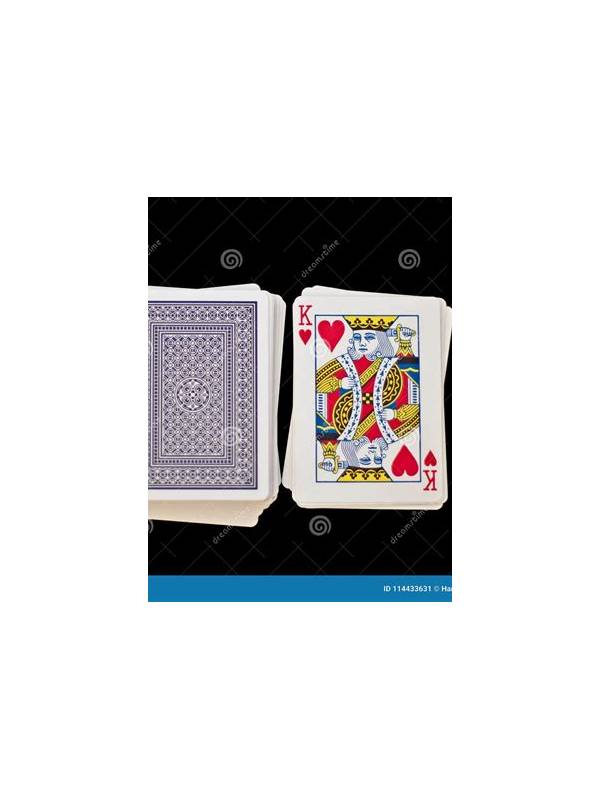
The choice between a closed-pile card and an open card is more than a question of which card looks attractive. The two options provide different information and different effects on the table. A useful comparison considers immediate fit, future flexibility, and what your choice may reveal.
Taking the open card gives you certainty. You know its rank and suit, so you can test it against your current groups before committing. It may complete a sequence, strengthen a set, or reduce a difficult single. The drawback is that other players can also see your interest. If the card clearly completes a common route, taking it may reveal part of your plan.
The closed pile offers uncertainty but preserves more privacy. The unknown card could solve a requirement or provide a useful connector. It could also be an expensive single that creates another discard problem. Choose it when your hand benefits from several possible cards or when the open card has little practical value. Do not choose it merely because the unknown feels exciting.
Compare the open card with your best current need. Does it support a pure sequence, complete an existing group, or improve more than one route? If it only creates a new pair while your hand lacks a required structure, it may be less valuable than it appears. Also consider whether taking it forces you to keep a low-probability plan for too long.
The state of the hand matters. Early in a round, flexibility may be worth more than a narrow improvement. Near the end, a known card that completes a legal route can be decisive. The same open card can therefore be correct at one moment and unnecessary at another.
Use a simple question: which draw gives the clearest improvement while leaving a manageable next discard? This keeps the comparison grounded in the whole turn rather than in the appeal of one visible card.
There is no universal answer for every format or every hand. A points game may reward reducing exposure, while a pool or deals format may make completion and exit timing more urgent. Check the scoring rules before applying a general preference. The comparison is most useful when it explains your choice in the language of the table: legality, route quality, points, and the likely shape of the next turn. When uncertain, preserve the option that gives the next turn a clear purpose. A known card may simplify the hand, while an unseen card may preserve broader possibilities. Neither is automatically superior; the surrounding route determines the value.


