Rummy Communication Rules: Keeping Shared Games Comfortable
Agree before the first deal
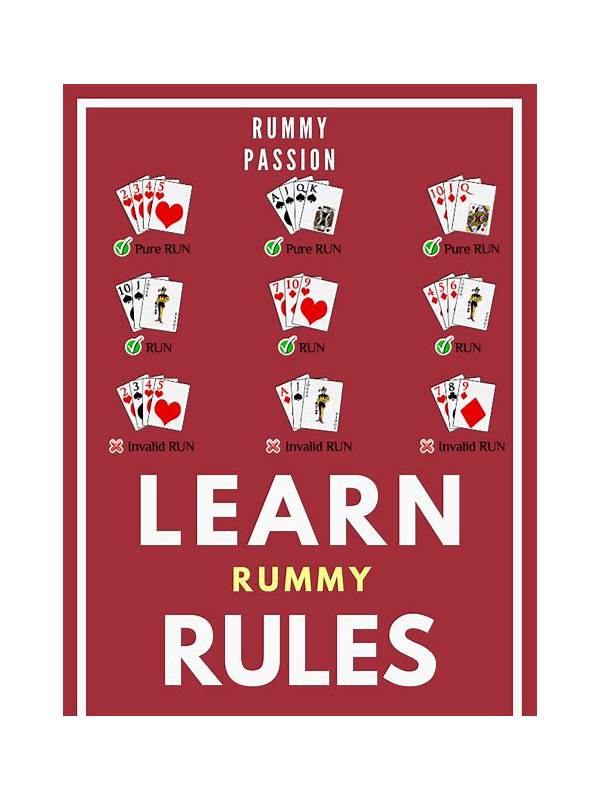
In a shared rummy game, confusion about rules can create more friction than a difficult hand. Before play begins, confirm the format, turn order, time expectations, scoring, and whether spectators or advice are allowed. If money or prizes are involved, make the limits and local eligibility requirements clear before anyone joins.
Do not assume that a familiar name means identical rules. Ask how jokers work, what counts as a valid declaration, and what happens after a disconnect or timeout. A short agreement protects everyone from arguing over a rule only after it affects the result.
Communicate during play
Keep table conversation separate from strategic information unless the game explicitly allows discussion. Avoid revealing another player’s likely cards, commenting on their pace, or pressuring someone to continue. If an interface problem occurs, describe the issue briefly and use the agreed procedure. Clear facts are more helpful than accusations made in the middle of a tense hand.
Respect different decision speeds within the format’s limits. A player may need a moment to check a hand, especially on a small screen or with an unfamiliar rule. At the same time, repeated delays can affect the whole table, so raise the issue calmly and refer to the agreed time expectation rather than making it personal.
Keep boundaries after the game
A friendly game does not require everyone to replay every disputed turn. If a result is challenged, review the relevant rule or record and accept the stated resolution. Do not share private contact details, payment information, or personal documents in a public chat to settle a game. Use the platform’s support process when identity, transactions, or safety are involved.
Good communication includes the right to stop. Any player should be able to leave when the agreed time, budget, or comfort limit is reached without being mocked or pressured. A respectful table protects the game’s social value as well as its competitive side. Clear rules, calm messages, and firm boundaries make future sessions more predictable for everyone.
If a conversation becomes hostile, stop explaining and use the platform’s reporting or support options. You do not have to win an argument to protect your privacy or comfort. Ending a session is a responsible response when the agreed social standards are no longer being followed.
A shared game works best when courtesy is treated as a rule, not as a favor. Let players ask procedural questions, answer without ridicule, and keep disagreements focused on the stated format. Those habits protect concentration and make it easier for everyone to enjoy the competitive part of the session.