Comparing Rummy Study Notes With Memory-Only Review
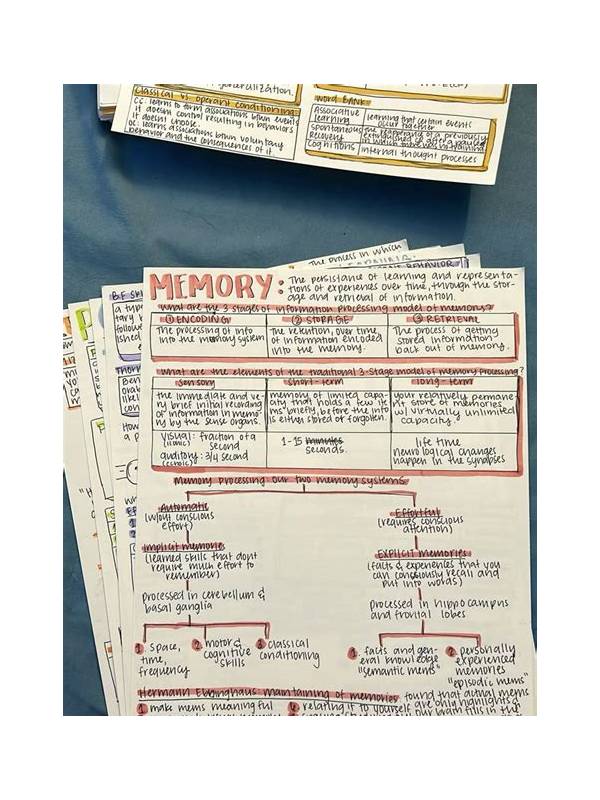
Reviewing a rummy session from memory is quick, but it is vulnerable to the final result. A win can make weak decisions look clever, while a loss can make reasonable choices look foolish. Written notes take longer, yet they preserve details that memory tends to reshape. Comparing the two methods helps you decide when each is appropriate.
Memory-only review works well for one narrow question. You might ask, “When did I first abandon my opening plan?” or “Did I pause before the final discard?” A short mental replay can answer a process question without interrupting your routine. It is also practical when no paper or device is available.
The weakness is selective recall. Dramatic turns are easy to remember, while ordinary decisions disappear. People also tend to remember the card they wanted rather than the alternatives they actually had. If you review only from memory, state the question before replaying the hand and avoid judging it by the result.
Written notes are stronger when you want to compare sessions. A few entries can show whether you repeatedly kept disconnected high cards, ignored the open discard, or rushed after a near-combination. Notes also let you examine the information available at the time instead of importing knowledge of cards revealed later.
The best method is often a two-stage review. Immediately after play, make a memory-only summary in two sentences: the main plan and the point where it changed. Later, compare that summary with three or four written decision notes. If the summary leaves out the same type of moment repeatedly, that omission is itself useful evidence. Perhaps you notice results but not the reasoning behind early discards.
Do not turn notes into a burden. Record decisions that had alternatives, not every draw. Use neutral language and include uncertainty when it existed. “Kept because it might join the pair; confidence low” is more informative than a confident explanation invented afterward.
Over time, the combination creates a balanced record. Memory helps you notice the overall rhythm of a session; notes help you test the details. Neither method predicts a win, but together they can show whether your decision process is becoming clearer, calmer, and more consistent. Keep the two records separate long enough to notice disagreements. If your mental summary says a decision was obvious but the notes show several unresolved alternatives, you have found a useful training point. The aim is accurate self-observation, not proving that your first impression was correct.