Rummy Guide: Use a Route Map When One Card Fits Several Plans
Some cards are valuable because they connect several possible structures. That flexibility is useful, but it can also create confusion: every route looks promising, and choosing one may quietly destroy another. A simple route map makes the trade-off visible before you commit a multiuse card.
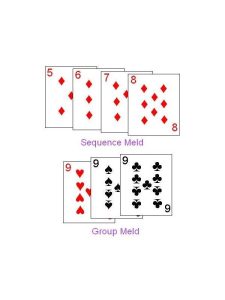
Write the card in the center of your mental or paper map. Around it, list the structures it could support and the missing cards each route requires. For a sequence route, note the needed neighboring ranks. For a group route, note the ranks or suits that would complete it under your table’s rules. Keep the map factual and short; the purpose is comparison, not prediction.
Now score each route on three practical measures: how many cards can improve it, how much of it is already secure, and what happens if the next draw misses. A route with several improving cards and a graceful fallback is usually stronger than one that promises a perfect finish but collapses after one miss. You do not need exact odds to see that difference.
Next identify the commitment point. This is the moment when using the flexible card for one route would make the others unrealistic. Delay that commitment when the alternatives are similar and your hand has room. Commit earlier when one route has gained strong evidence or when the table is moving quickly. Waiting is useful only while the card is genuinely serving multiple plans.
Keep a release condition for the map. If a needed card appears in a visible discard and is immediately taken, lower the competing route. If a route survives two turns without support, lower it unless its fallback remains valuable. When one route clearly leads, move the center card into that structure and stop treating it as available for every possibility.
After the hand, ask whether you delayed too long or committed too soon. The lesson is not that flexible cards should always be protected. They are meant to be spent. The route map simply makes you spend them when the strongest remaining plan has earned the privilege.
For quick play, reduce the map to three words: route, missing card, fallback. That abbreviated version preserves the central comparison without turning every decision into a written exercise.