Rummy Guide: Use a Confidence Ladder for Draw Decisions
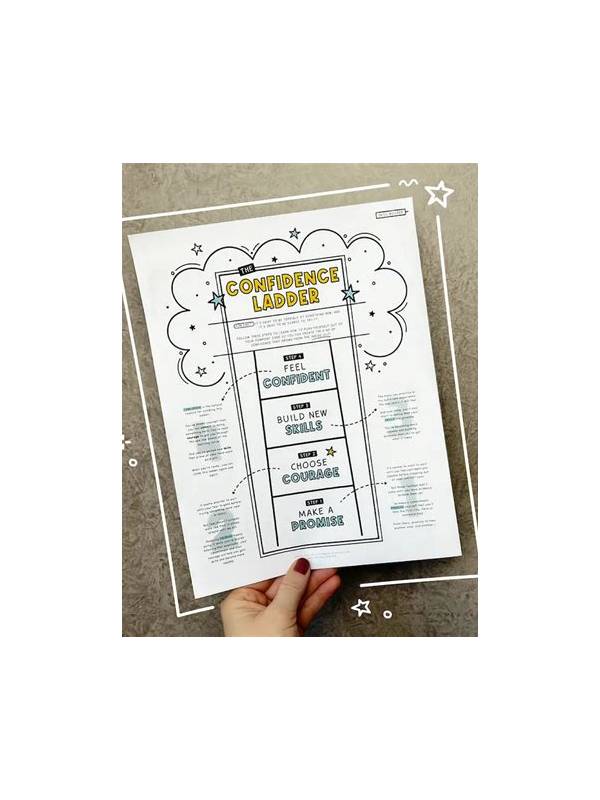
The ladder is qualitative, not a mathematical probability scale. Its purpose is to require an explanation without creating false precision about an unknown draw.
Use the same four words in practice and live play. Consistency matters more than adding extra levels. If the table is fast, shorten the note to “strong route, compare release” and continue with a deliberate choice.
Draw decisions often feel binary: take the card or leave it. The reasoning behind that choice is usually less certain. A confidence ladder gives the reasoning several levels, so you can act without pretending to know more than the evidence supports.
Use four levels. Confirmed means the card completes a legal group or satisfies a clearly checked requirement. Strong means the card supports multiple credible routes and fits the current plan. Possible means it helps one route but depends on further information. Speculative means it is attractive mainly because it could become useful later. These levels describe your current evidence, not the card’s permanent value.
Before taking an open discard, name the level silently. If it is confirmed, check that accepting it does not break an existing group. If it is strong, compare the route with the card you would release. If it is possible, ask what the next useful draw would be and whether you have a backup. If it is speculative, require a clear reason to accept the information cost and reduced flexibility.
The ladder is especially helpful when the top discard is visually appealing. A high-value card may complete a set while forcing you to keep several unrelated cards. A middle card may be only “possible” but support two directions. Comparing levels prevents a single exciting connection from dominating the whole hand.
Update confidence after every meaningful draw or visible discard. A possible route can become strong when a second connection appears. It can also fall to speculative when the remaining cards no longer fit your plan. Do not treat an earlier label as a promise. The value of a card is conditional on the current hand and rules.
After practice, review two decisions: one where your confidence was too high and one where it was too low. Ask what evidence was available at the time. This separates a good decision with an unlucky result from a weak decision that happened to work. Over several sessions, the ladder can show whether you routinely mistake possibility for probability or dismiss useful flexible cards too quickly.