Rummy How-To: Create a Simple Draw Decision Ladder
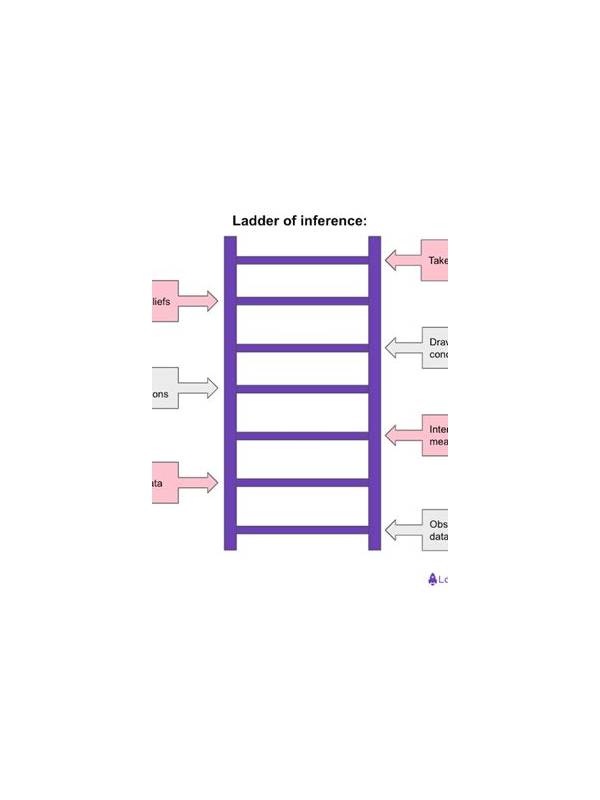
A draw decision becomes easier when you compare the same factors in the same order. A decision ladder is a compact checklist, not a rigid formula. It helps prevent one attractive card from receiving more attention than the rest of your hand deserves.
Begin with legality and format. Confirm that the card can be taken from the source you are considering and that your intended meld would follow the table rules. Next, check immediate connection: does the card complete a group, create a pure sequence, or add a realistic second route? If the answer is no, do not upgrade it merely because it shares a suit or rank with one card.
The third step is flexibility. After taking the card, how many useful next draws remain? A card that fits only one narrow plan may be less valuable than a card that supports two modest plans. Fourth, consider replacement cost. What will you discard to make room, and will that discard expose a stronger route or a large penalty?
The final step is public information. Has the card’s neighborhood already appeared in the discard pile? Would taking it reveal a pattern you do not want to reveal? These questions matter, but they come after the basic quality of your own hand. Do not sacrifice a clear improvement simply to appear unpredictable.
You can remember the ladder as L-C-F-R-I: legality, connection, flexibility, replacement, information. Say the initials quietly while practicing, then shorten the routine once it becomes familiar. If a timed table does not allow a full review, perform at least legality, connection, and replacement.
Review missed draws by identifying the rung you skipped. This turns vague frustration into a usable lesson. The ladder will not remove uncertainty, but it can make your decisions comparable from turn to turn.
Adapt the ladder to the pace of the table. During a generous practice timer, explain each rung aloud. During a faster round, compress it into three checks: legal, connected, and recoverable. “Recoverable” means the hand still has a sensible next step if the ideal card does not arrive. This abbreviated version is better than abandoning structure completely. You can return to the full ladder during review and identify which omitted factor changed the decision.
Write the ladder on a small private note during training. After several rounds, remove the words one at a time and see whether the sequence remains automatic. If a particular rung keeps disappearing, make it the focus of the next practice session. A checklist is successful when it becomes dependable without becoming distracting.