Rummy Guide: Track Information Without Memorising Every Card
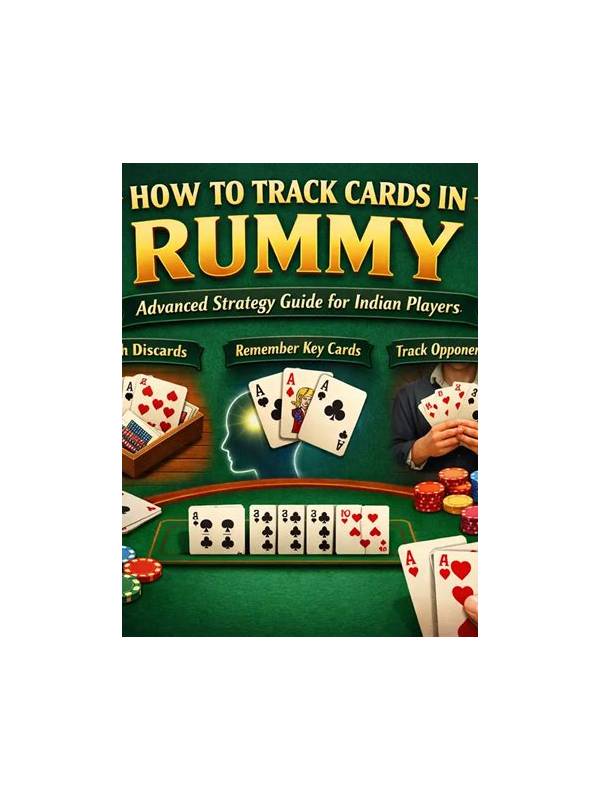
Trying to remember every card in an active rummy round can consume attention that belongs on your own hand. A compact method is often more useful. Track only cards that affect a decision, and place them into three categories: confirmed unavailable, recently relevant, and still unknown.
Confirmed unavailable cards are those you have seen discarded or used openly in a way that removes them from the possible pool, according to the format’s rules. Do not overclaim certainty if the platform hides information or if multiple decks are involved. The category is about reliable facts, not impressions.
Recently relevant cards include a discard that someone immediately takes, a rank that repeatedly appears near the top of the pile, or a card that changes how you evaluate a waiting group. These observations deserve attention for a short time. If they no longer affect your next choice, let them go instead of carrying stale information through the whole round.
Everything else remains unknown. Unknown does not mean equally likely, and it certainly does not guarantee that your desired card will arrive. This category is a reminder to preserve alternatives rather than build a plan on an unverified assumption.
At the end of each turn, name one fact, one clue, and one uncertainty. For example: a specific card has appeared, a connected card was taken, and the needed middle rank is still unknown. This takes only a few seconds and keeps memory tied to action. With practice, you will notice that good table reading depends less on a perfect mental list than on knowing which facts deserve your next decision.
The three categories can be written in a small note during a practice session, but do not rely on notes if the platform or format prohibits them. The aim is to train selective attention, not to create an advantage that violates table rules. Start with one suit or one recent discard and expand only if the method remains comfortable. When several players act quickly, let old clues expire. Current, reliable information is usually more useful than a detailed but confused history. After the round, compare your remembered facts with what was actually visible. Celebrate accurate uncertainty as well as accurate recall: knowing that you did not know a card’s location is often safer than believing a guess was certain.
Selective memory is a practical skill, not a test of total recall.
Keep only what can improve the next move.