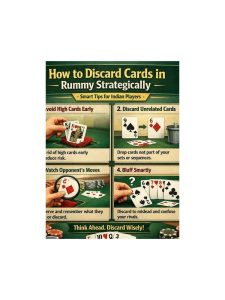
Rummy Guide: Track Information Value Before Drawing
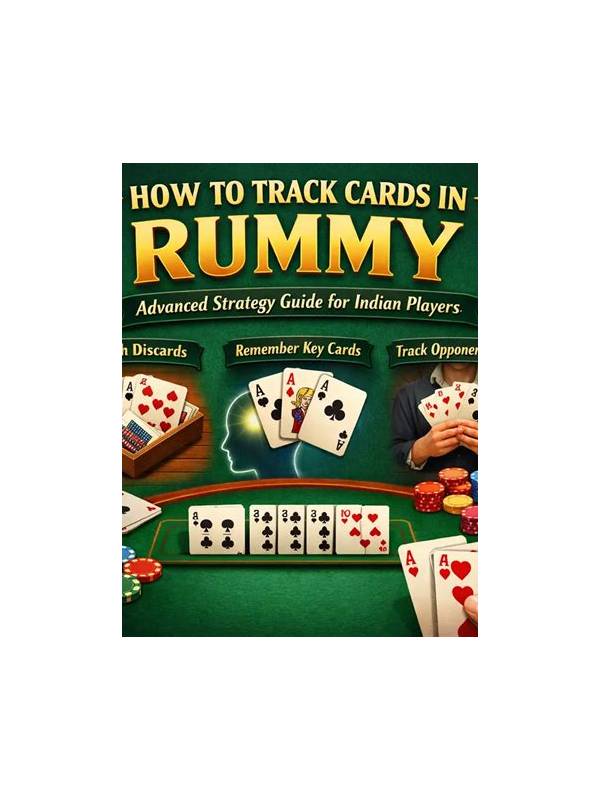
Every draw in rummy gives you a card, but it also gives you information. The discard pile shows what someone did not want, your own hand shows which plans are developing, and the cards that never appear place limits on your assumptions. Treating these clues as equally important can make a turn feel crowded. A simple information-value routine helps you focus.
Start with your hand. Identify the cards that already have two credible partners, such as a middle card that could join a sequence on either side. Then mark cards that have only one plausible connection. The first group deserves protection, while the second group needs a time limit. This distinction prevents you from keeping every speculative card just because it might become useful.
Next, inspect the discard pile in order rather than scanning it emotionally. Ask what the latest discard says about the other player’s likely needs. One card is weak evidence; a repeated pattern across several turns is stronger. Do not assume that a discarded card is unwanted everywhere. It may simply have been a poor fit for that player’s current structure.
Before drawing, compare the information value of the two available sources. The visible discard may improve your hand immediately, but taking it can reveal a preference. A closed draw conceals your choice, though it is less predictable. Neither option is automatically better. Choose the source that improves your structure while keeping your assumptions modest.
Finally, record one sentence after the turn: “I drew this because…” If the explanation mentions a concrete connection, the decision was probably grounded. If it relies on a vague feeling that a card was “due,” revisit the choice later. The goal is not perfect prediction. It is to make each draw a clear, reviewable decision based on the information actually available.
One useful refinement is to separate card information from opponent information. A card may be useful to you even when it tells you little about another player, while a discard may reveal a pattern without improving your hand. Keeping these categories separate prevents you from overvaluing a dramatic clue. After the turn, ask whether the card improved your groups, improved your knowledge, or did both. If it did neither, the draw deserves a lower rating in your journal. If it did neither, the draw deserves a lower rating in your journal.
Over several rounds, this record can show which clues you consistently notice and which you ignore. You may discover that you track your own combinations well but overlook the cost of revealing a preference. That is a useful practice target. Keep the review factual and avoid claiming certainty about another player’s hidden cards. Information has value because it narrows sensible choices, not because it guarantees a prediction.