Rummy Comparison: Private Uncertainty Versus Visible Information
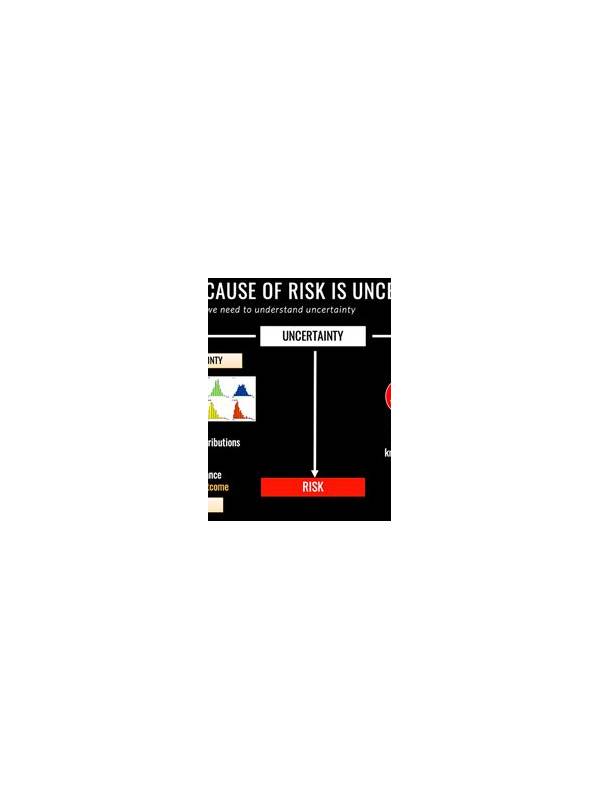
The draw pile and discard pile offer different kinds of value. A private draw conceals your immediate preference but gives less control over the exact card. A visible discard can solve a clear problem quickly while revealing information to the table. Comparing these forms of uncertainty makes the choice more deliberate.
Private uncertainty is useful when your hand has several credible routes or when revealing a route would help opponents. It keeps your plan less obvious and may provide a card that changes the hand in an unexpected way. Its weakness is that you cannot choose the result, so a private draw may leave the same problem unresolved.
Visible information is valuable when the discard directly completes a strong structure. You know what you are taking and can often identify the replacement before committing. The cost is that other players may infer a sequence, set, or missing card from your action. The inference may be weak, but it should be included when the card is conspicuous.
Compare the full exchange. A visible card that creates a confirmed group and releases a low-cost singleton may be worth the information. A card that merely improves a pair while forcing out a flexible bridge may not justify taking it. Similarly, a private draw is not automatically safer if it leaves an expensive hand with no clear route.
Timing and table context matter. Early turns generally leave more room to hide an evolving plan. Late turns make direct structure more valuable, while a visible pickup may be easier for others to interpret. Avoid rules that treat one pile as always superior.
Before drawing, state the trade-off: “The discard gives certainty but exposes a route; the private draw preserves privacy but may not repair the hand.” Then compare that trade-off with the hand’s current urgency. The best choice is the one whose information and structural costs you can still manage.
Do not overestimate what opponents can infer. A visible pickup may be obvious, ambiguous, or irrelevant depending on the rest of the table. The comparison is about your exposure, not about inventing a perfect read of everyone else. Use observable actions as evidence and leave uncertain interpretations marked as uncertain. This protects against two errors: hiding behind privacy when a direct improvement is clearly needed, and fearing exposure so much that you pass up a strong repair. The comparison should serve the hand’s current need. Privacy is one factor, not a substitute for evaluating the actual cards.