Rummy Guide: Read a Hand Without Naming Every Possible Draw
Limit the analysis
Hand reading can fail through excess detail. If you list every card that might theoretically help, the hand appears stronger than it is and the next discard becomes harder. A practical reading method identifies the strongest few routes and ignores possibilities that have little chance of becoming useful.
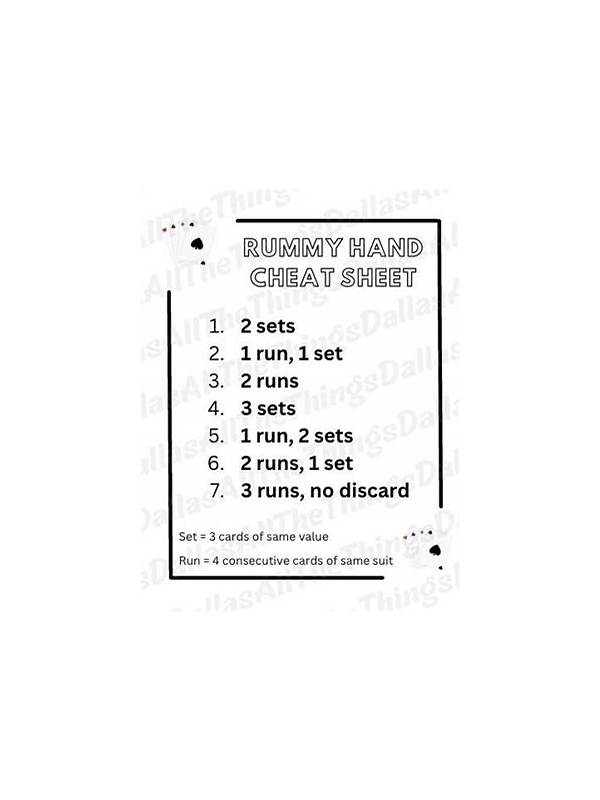
Start with structures already supported by the hand. Mark completed groups, near sequences, and pairs with credible partners. Then choose no more than three candidate routes for the remaining cards. A candidate route should have a clear missing piece, several reasonable ways to improve, or a strong connection to a structure you already value.
For each route, state the next useful event. It might be drawing a particular neighbor, finding a matching rank, or releasing a blocker. If you cannot describe the next event clearly, the route is probably too vague to guide a discard. This does not make the card worthless; it simply moves the card into the uncertain portion of the hand.
Now compare routes by independence. Two routes that require the same missing card should be treated as one. Two routes that use different cards may offer real coverage. Also check whether they compete for a card position. A hand can have several theoretical routes but only enough space to pursue one or two.
After the next draw, keep only the strongest routes and replace weak ones. This rolling method is faster than rebuilding a complete analysis every turn. It also prevents an early idea from controlling the hand after new evidence has changed the balance.
The goal is not perfect prediction. The goal is a concise picture that answers three practical questions: what is already working, what could improve next, and which card is least useful if nothing changes? When those answers are clear, your discard is based on evidence rather than on a catalogue of imagined draws. Use the same limited reading when considering another player’s likely structure. Observe only enough to adjust your card ranking or avoid an obviously helpful discard. Do not attempt to reconstruct an entire hidden hand from one event. A compact model is easier to revise and less likely to make you overlook your own priorities. If your analysis starts producing a long list of possible cards, return to the three questions and remove any route that lacks a clear next event. The strongest hand reading is actionable, temporary, and open to correction.