Rummy Guide: Measure Hand Momentum
Momentum is not winning
A player can win after a chaotic hand, and a strong-looking hand can later collapse. Momentum is therefore not a prediction of the result. It is a description of whether recent decisions are making the next decision easier.
After each turn, ask three questions. Did the hand gain a confirmed group or a clearly defined target? Did the discard preserve reasonable alternatives? Did the number of unresolved cards decrease? If the answer is yes to two or three questions, the hand is gaining momentum. If every turn creates another speculative pair while the required structure remains missing, momentum is probably weak even if the layout looks attractive.
Use a short window
Review the last three turns rather than the entire round. For each turn, mark progress, neutral, or repair. Progress means a legal group or a useful replacement. Neutral means the hand changed without becoming clearer. Repair means you released a weak route or reduced point exposure.
This avoids two errors. First, you do not overreact to one unlucky draw. Second, you do not keep defending a plan that has produced no improvement for several turns. A neutral turn is not automatically bad, but a long chain of neutral turns needs a review point.
Change the plan when the pattern changes
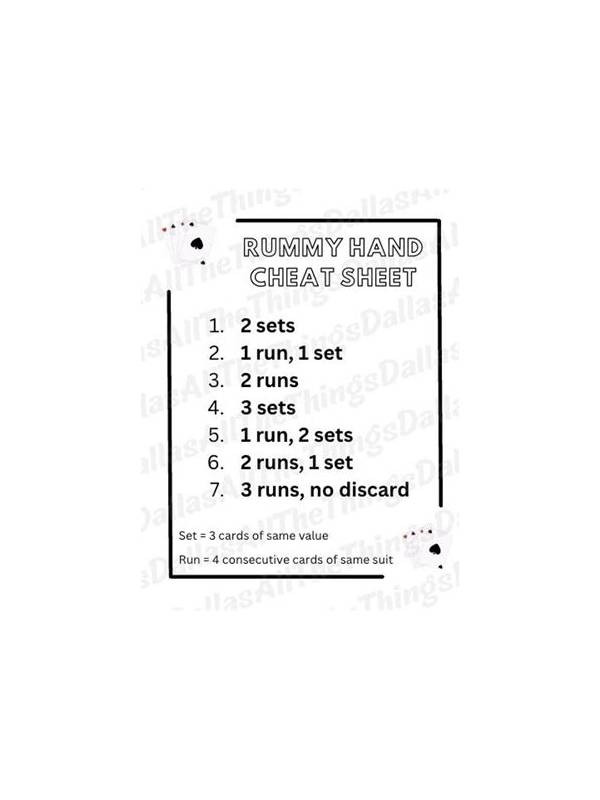
If momentum is weak, do not respond by drawing more aggressively without a reason. Re-sort the hand, identify the strongest confirmed group, and compare the cost of rebuilding around it with the cost of continuing to wait. If momentum is strong, protect the route while checking that it still meets the format’s legal requirements.
You can keep a one-line note after a round: “Turns four to six created links but no legal progress.” That note is more useful than “I got unlucky,” because it points to a skill to practice: setting an earlier exit, comparing replacements, or checking legality sooner.
Momentum turns recent history into evidence. It encourages a measured adjustment without pretending that every draw is controllable.
You can also measure momentum at the end of a practice drill. Count how many turns ended with a clearer target and how many ended with an additional unresolved card. The count is not a score to chase. It is a prompt to ask whether your sorting order, review timing, or discard rule is helping the hand become simpler. Use the result to design the next drill around one change.