Rummy How-To: Create a No-Regret Discard List
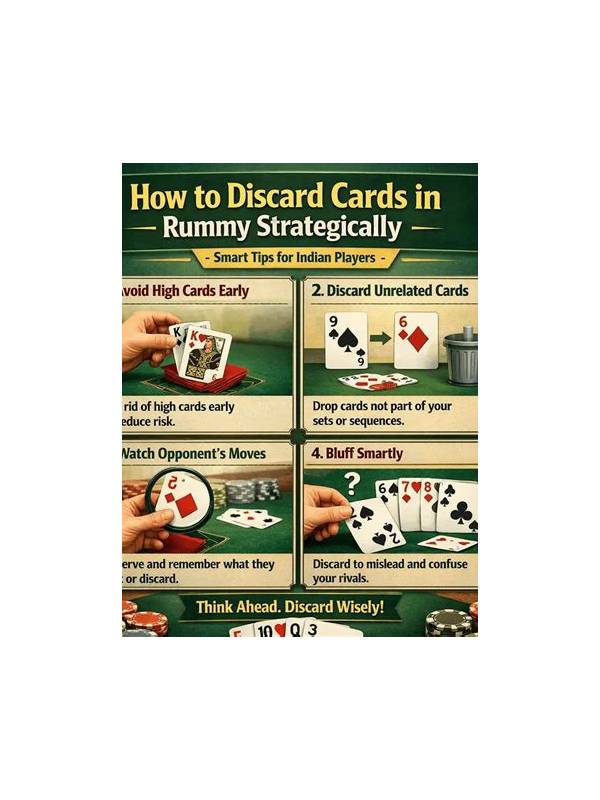
A no-regret discard list is not a promise that a card can never become useful. It is a short list of cards whose current roles are weak enough that releasing them is unlikely to damage your best plan. Creating the list early reduces hesitation when the next draw gives you a difficult choice.
Begin by protecting confirmed groups and any required structure. Set those cards aside mentally. Then inspect every remaining card and describe its current job. A card may support a sequence, a set, a joker position, or only a hoped-for future route. Cards with no clear job become the first candidates for the list.
For each candidate, run three checks. Could it complete a legal group with more than one realistic draw? Does it serve as an important connector for an independent route? Would releasing it leave a high penalty or break a group you need for declaration? Remove a card from the list if the answer shows a meaningful role. Keep it on the list when its value depends on one narrow assumption.
The list should be ordered, not merely collected. Put the least damaging card first, then cards that require more caution. Update the order after every draw and public discard. A new card can give an old candidate a useful partner, while a broken route can make a previously protected card expendable. The list is a snapshot of evidence, not a permanent rule.
Use the list when a new card enters the hand. First check whether the new card completes or improves a route. If it does, release the highest-ranked candidate. If it does not, compare the candidate list with the new card’s penalty and replacement value. This keeps the decision focused on the current hand rather than on attachment to earlier plans.
After the hand, note whether your first candidate really was low regret. If not, identify which check you skipped. The exercise improves sorting discipline and reduces the time spent debating cards that have already lost their strongest purpose. A good discard list is simply a prepared answer to the question, “What can leave if nothing else improves?”
Do not confuse a no-regret list with guaranteed dead cards. A later draw can change almost any evaluation. The list only reduces the number of decisions you must make under time pressure. By updating it openly, you preserve flexibility while still having a practical first choice when the hand demands an immediate discard.