Rummy Guide: Turn a Messy Hand Into Three Working Groups
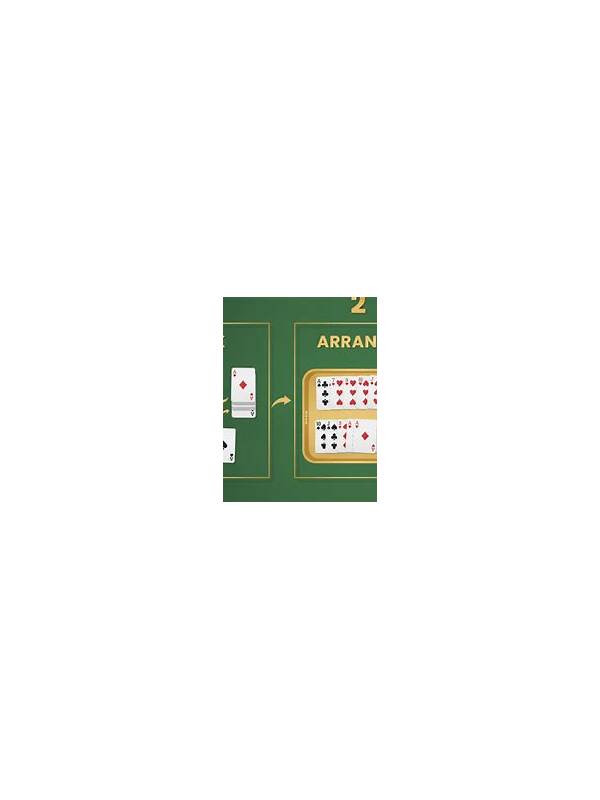
A messy hand can feel difficult because every card appears to belong to several possible plans. One card may fit a pair, sit near a sequence, or simply carry too many points to ignore. The answer is not to force an arrangement immediately. Instead, divide the hand into three working groups: confirmed structure, promising links, and loose cards.
Confirmed structure contains cards that already form a dependable sequence or set. Keep these cards together and avoid breaking them while exploring other options. A confirmed group gives the hand a foundation. It also prevents the common mistake of repeatedly rearranging a good combination merely because another card looks interesting.
Promising links are pairs, connected ranks, or cards with more than one realistic destination. They deserve attention, but not commitment. Place them together and write down the cards that would improve them. If a pair needs one of two neighboring ranks, its route is clearer than a pair that needs a distant card or several specific suits.
Loose cards are not failures. They are cards that currently support no strong route. Rank them by points, flexibility, and usefulness to your opponents. A high-point loose card often becomes a disposal candidate, while a low-point card may be worth keeping briefly if it can connect to two developing groups.
After sorting, ask three questions. Which group is already safe? Which promising link has the shortest route? Which loose card creates the greatest risk if it remains? These questions produce a practical next action without requiring certainty about the full hand.
Repeat the grouping after a meaningful draw. A new card can move from loose to promising, or it can make an existing route less attractive. Do not update every second; constant rearrangement encourages impulse. A short review after each turn is enough.
This method is useful for practice because it leaves a record of why a card was kept. Over time, you can compare your initial groups with the final result and see whether your route judgments were sensible. The goal is not perfect prediction. It is to replace vague hope with visible structure and a manageable decision.
If you are practicing away from a table, use a sample hand and physically move the cards into the three groups. Say the reason for each placement out loud. Speaking exposes assumptions that remain hidden when the cards are arranged silently. Once the groups are stable, choose one card you would review first and explain what evidence could change your choice. This exercise builds a repeatable habit that transfers to faster live turns.