
Rummy How-To: Build a Legal Hand Map on Paper
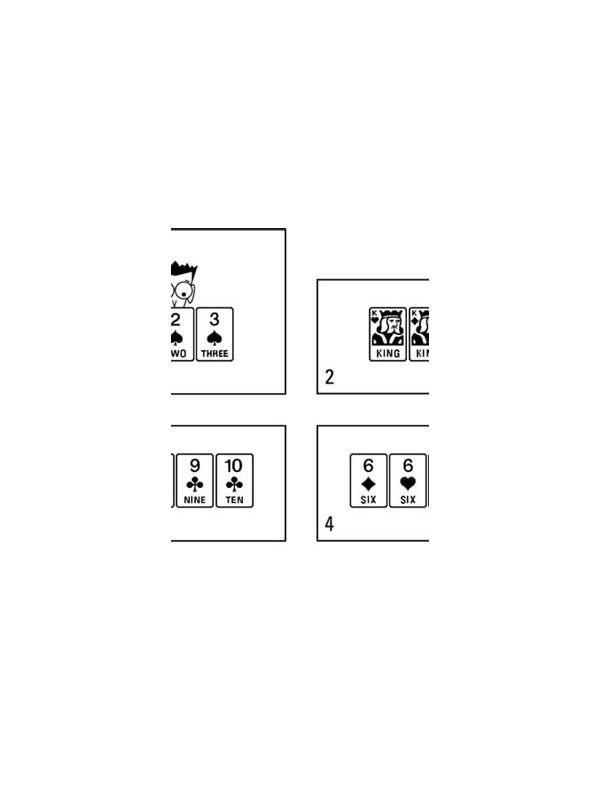
A paper hand map is a simple practice tool. It is not intended to replace the app’s display during a live turn. Instead, it helps you slow down and see how thirteen cards can be divided into legal groups without using one card twice.
Write each card on a separate small slip or in a separate box. Sort the slips by suit, then mark same-rank relationships with a light symbol. Build one candidate arrangement at a time. For every proposed sequence, write its suit and consecutive ranks. For every proposed set, write its rank and suits. Keep jokers marked clearly so you do not accidentally treat a substitute as a natural card.
Now test the arrangement. Does every card appear exactly once? Is there a required pure sequence? Are the groups long enough for the variant? Does a joker occupy a permitted position? If any answer is uncertain, consult the stated rules. The point of the map is to expose questions before the pressure of a live declaration.
Create a second arrangement using a different anchor. An anchor is a group that is already strong or close to complete. Compare the two maps by counting loose cards and noting which one relies on fewer exact draws. Do not automatically prefer the arrangement with fewer loose cards if it leaves a high-point card stranded or violates a requirement.
After testing, erase the map and rebuild it from the same cards without looking at the first version. Differences show where your visual sorting is unreliable. You can also ask a practice partner to check whether the arrangement is understandable without explaining your intention.
Keep the exercise short. Ten minutes with a few random hands is enough to improve group recognition. The map should teach you to verify structure, not encourage you to memorize one preferred pattern. In real play, use the same sequence of checks mentally: complete groups, required natural structure, no duplicate use, and one final legality review.
Photographing a paper exercise is unnecessary and may create clutter. Recycle the slips after reviewing the result, especially if they contain account names or personal notes. The value is in the checking process, which can be repeated with fresh random hands and gradually performed without physical aids.
Do not use the map to analyze another person’s private cards or to record information they did not agree to share. Keep the exercise limited to your own hand and publicly visible rules. Good practice improves clarity while respecting the table.


