
Rummy How-To: Rebuild a Hand Around Its Strongest Group
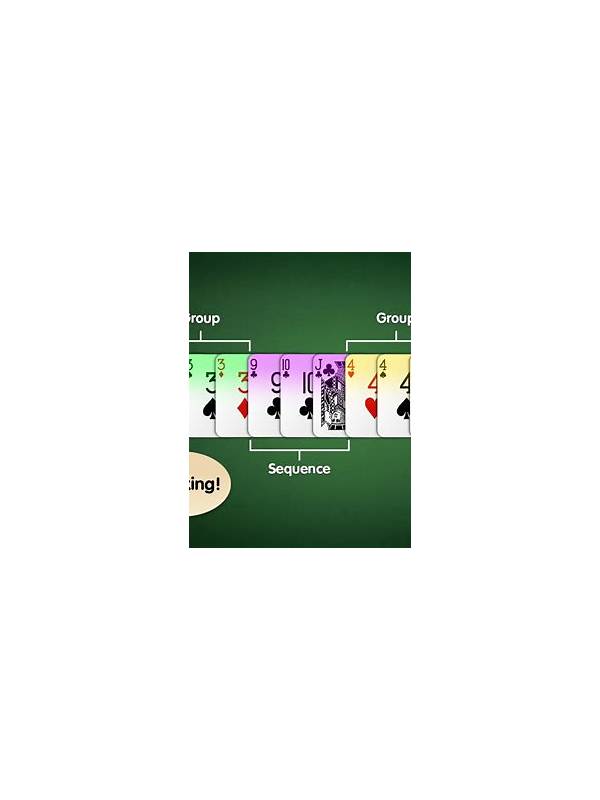
When a hand contains several partial combinations, trying to preserve everything can create a pile of weak hopes. Rebuilding around the strongest group gives you a clear starting point and frees you to discard cards that are only emotionally attractive.
First, inventory every current group. Separate completed groups, strong two-card connections, isolated cards, and jokers. Mark whether each group is pure or depends on a substitute. The strongest group is usually the one that is already valid, needs one natural card, or has multiple nearby ways to improve without violating the rules.
Protect the anchor from unnecessary rearrangement. If moving one card would break a reliable sequence, treat that cost as real. Place the remaining cards into temporary buckets according to their possible roles. A card can appear in more than one bucket during analysis, but do not count it as available in two final groups.
Now rank the unfinished buckets by flexibility. A pair with two plausible neighbors may be more useful than a pair with one attractive but unlikely neighbor. A high isolated card can be released early unless it supports a critical requirement. The goal is not to make the hand look neat; it is to reduce the number of uncertain roles.
Choose a short rebuild window, such as the next two turns. During that window, keep only cards that support the anchor or a flexible secondary route. If the needed draw does not appear, reassess the bucket rather than extending the deadline automatically. This prevents a promising start from becoming a long chase.
Before declaring, rebuild the final view from scratch. Confirm that the anchor is valid, each remaining card belongs to one group, and the declared arrangement meets the format’s requirements. Rebuilding is not a sign that the earlier hand was a failure. It is a way to replace scattered possibilities with one dependable structure and a manageable next decision. Do not rebuild merely because the hand is not aesthetically balanced. A group with an awkward gap may still be the most practical anchor if the gap has several possible fills. Conversely, a visually neat pair can be a poor foundation when its completion is narrow. Compare expected flexibility and point exposure before choosing the anchor. Once chosen, keep the anchor stable for the review window and judge every new card by whether it improves the whole arrangement rather than only one attractive corner. Give the rebuild a stopping point. Once the anchor and secondary route are both clear, stop rearranging and evaluate the next card normally. Endless analysis can be as unhelpful as a rushed choice, especially when the hand is already structurally sound.


