
Rummy Safety Guide: Protect Breaks From Session Creep
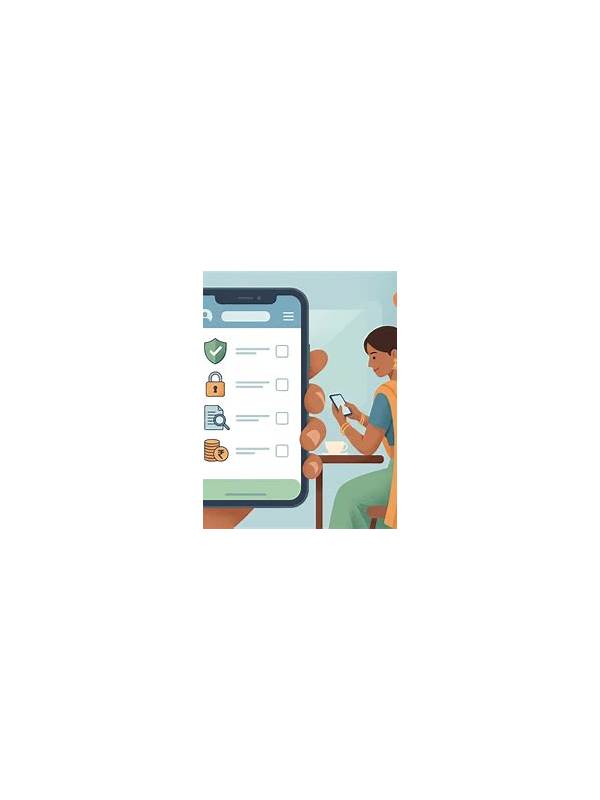
A break can restore attention, but a break that turns into “just one more hand” does not provide much protection. Session creep happens when a player keeps extending play in small increments until the original time or spending boundary has disappeared. Designing the pause in advance makes it easier to respect.
Set the break trigger before play. It might follow a fixed number of hands, a time block, or a sign of fatigue. When the trigger arrives, finish the current permitted action and step away for a defined period. Do not decide whether you “deserve” a break based on the latest result; wins and losses can both distort judgment.
Give the pause a different activity. Stand up, drink water, stretch, or move to another room. Closing a table while continuing to watch related games keeps attention engaged and may make returning feel compulsory. If money is involved, use the break to review the session limit rather than adding funds.
Create a return condition. You may return only if the planned time remains, the budget is unchanged, and you still feel calm enough to follow your rules. If any condition fails, stop for the day. A return condition is not punishment; it is a way to make the original decision durable when your mood changes.
Keep payment and account security separate from the break. Never ask another person to lend credentials or use a shared account to bypass limits. Use the responsible-play tools available in your location, and seek local professional support if play feels difficult to control.
After several sessions, review whether the break length was adequate. If you repeatedly shorten it or return emotionally unsettled, make the next pause longer. Safe play is not measured by how many hands you can squeeze into a day. It is measured by whether time, money, and attention stay inside boundaries you chose while clear-headed. If the game has pause rules, follow them and reread your limit before returning. A break should restore control, not become a short route back into automatic play.
It can help to set the next activity before beginning the session. Arrange a meal, walk, conversation, or other obligation that does not involve cards. A concrete transition is easier to follow than an abstract intention to stop. If play begins interfering with sleep, work, relationships, or essential spending, stop and seek appropriate local support instead of trying to solve the pattern with another personal rule.


