
Rummy FAQ: Can a Discard Be Too Obvious to Take?
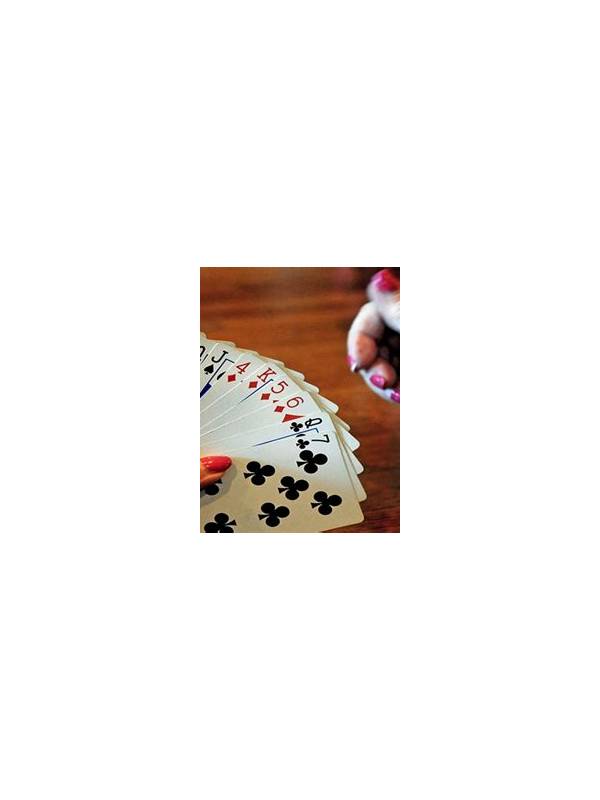
Yes. The top discard may be exactly what you need, but taking it can expose your plan so clearly that the immediate gain is not worth the information. This does not mean obvious cards should always be refused. It means the value of a pickup includes what the whole table learns from your action.
First, measure the improvement. Completing a required sequence or removing a large penalty is a strong reason to accept exposure. Turning an ordinary pair into a hopeful pair is weaker. If the improvement is small, compare it with a stock draw that may preserve several possible directions. The less urgent the card, the more weight privacy can receive.
Next, ask what the pickup reveals. Does it identify a suit, a rank neighborhood, or a narrow sequence? Could opponents safely hold the neighboring cards after seeing your choice? A card that fits multiple structures may be less revealing than a card that has only one obvious purpose. The same physical card can have different information costs in different hands.
Consider whether opponents already know. If your earlier discards and pickups have made the plan clear, refusing the card may not restore much secrecy. If your hand is still ambiguous, a conspicuous pickup can remove useful uncertainty for everyone else. The table’s information level matters as much as the card’s face value.
Finally, check your fallback. If the visible card leaves an awkward remainder after a missed draw, its risk is greater. If it gives you a clean hand and reduces the number of live problems, the exposure may be acceptable. Choose the total position, not an abstract rule about hidden information.
The best players sometimes take an obvious card quickly because urgency outweighs secrecy. Other times they pass it and remain flexible. Both choices are sensible when they match the improvement, exposure, opponent risk, and remaining time. Privacy is a tool, not a goal that replaces progress. Follow normal turn timing and do not use hesitation as a signal game. Judge a pass by the information available then, not by the unseen card that happens to appear afterward.
If you take the card, reduce the information cost by keeping your next discard consistent with more than one plan. If you pass, immediately identify the weakest card so the hand does not become crowded. Both responses require follow-through. The pickup or pass is only the first decision; the next discard determines whether the choice produced a manageable hand.


