
Rummy Guide: Use a Constraint List for Difficult Hands
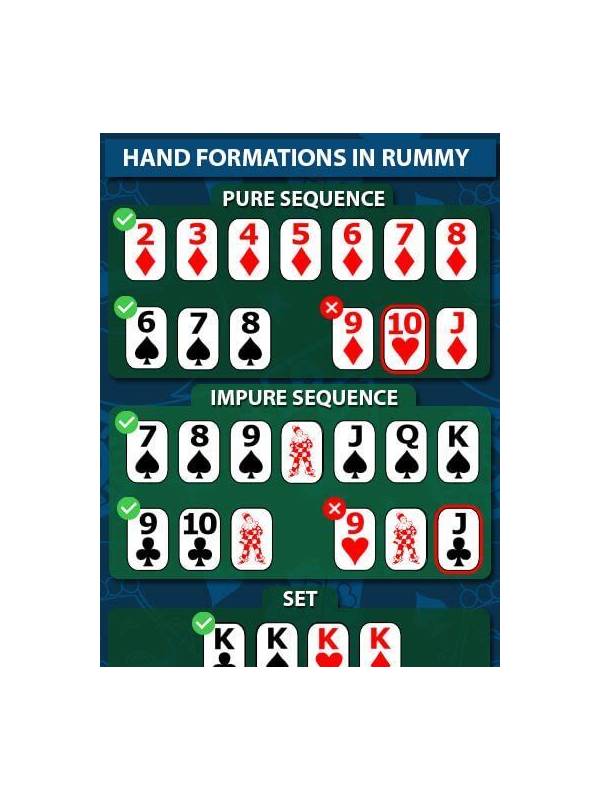
Some rummy hands feel difficult because every card appears to belong to a different idea. One group may be close to a sequence, another may be a possible set, and a high card may be awkward to release. In that situation, adding more guesses usually makes the hand harder to read. A constraint list is a calmer alternative. It records what the hand must accomplish before you decide which route looks attractive.
Start with the rules of the format. Note the required number of sequences, whether a natural sequence is mandatory, and any declaration conditions. This prevents a visually pleasing arrangement from taking priority over a legal one. Next, record fixed facts about the hand. For example, a natural sequence already complete is a protected asset, while a single high card with no nearby support is a likely liability.
Then write three constraints: what cannot be broken, what needs one card, and what has no current support. Keep the language factual. “Needs a seven or ten” is more useful than “this run feels promising.” If a card belongs to two possible groups, mark it as shared rather than assigning it permanently. That small distinction helps you avoid counting the same card twice.
Use the list before each important draw. Ask whether the proposed card satisfies a constraint, creates a new one, or merely makes the hand look tidier. A draw that completes a required natural sequence may be more valuable than one that improves a flexible set. Conversely, holding a card only because it might help two weak ideas can trap the hand.
Review the list after every meaningful change. A completed group should disappear from the active constraints. A failed route should be labelled closed instead of being quietly preserved in your thinking. This is especially useful when the open pile shows an attractive card: the question is not simply whether the card fits, but whether it solves a problem that still exists.
The method is not a prediction system. It cannot tell you which unseen card will arrive. It gives your attention a clear order: rules first, fixed structure second, missing links third, speculation last. With practice, a difficult hand becomes a short inventory of obligations. That makes discards easier to explain and mistakes easier to review after the round. Keep the list small enough to use under pressure. Three or four lines are better than a detailed chart that becomes outdated. If a card changes roles, cross out the old note and write the new one. In a practice round, compare the first constraint list with the final arrangement and note which obligation changed first.


