
Rummy Strategy: Compare Two Draw Paths Before Committing
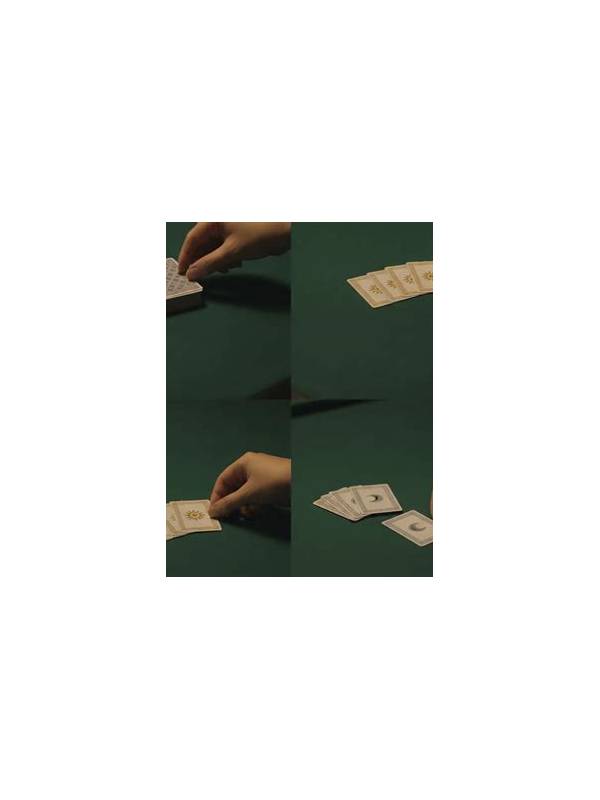
When reviewing the choice later, compare the path you chose with the best alternative that was visible then, not with the card that eventually appeared. This keeps hindsight from deciding the lesson. A path can be good even when it misses, provided its cost was limited and its fallback was clear. The habit of comparing alternatives is valuable in every hand because it improves the quality of the next decision rather than promising a particular result.
In rummy, a hand can look promising because several cards appear to fit somewhere. That impression is often misleading. A useful way to make a clearer decision is to compare two draw paths before committing to one. A draw path is a small plan built around the cards you already hold and the cards that could complete it. Comparing paths does not predict the result; it limits wishful thinking and makes the next discard easier to explain.
Start by naming the two strongest possibilities in plain language. One path might be a same-suit run that needs one middle card. Another might be a set that needs a matching rank. Do not list every theoretical arrangement. If a plan needs several unlikely cards, it is not a serious alternative. Write down the missing cards for each path and note whether each missing card has one useful position or several.
Next, measure flexibility. A path is flexible when one draw can improve more than one part of the hand, or when several cards can complete it. A path is narrow when only one exact card helps. Also consider what happens if the draw does not arrive. Can the cards be redirected into another group, or will they become isolated? A slightly slower plan with an easy fallback may be stronger than a fast plan that collapses after one miss.
Use the visible discard information carefully. If a needed card has already appeared, reduce that path’s appeal. If a card is visible in an opponent’s discard, it may still be unavailable to you for now, but it tells you something about what they may not be building. Avoid treating an unseen card as guaranteed. Unknown is not the same as likely.
Finally, choose a review point. After a few turns, compare the two paths again using the new cards and discards. Keep the path that has gained useful evidence, not the one you first liked. If neither path has improved, reduce the hand’s risk by discarding high-value or hard-to-place cards. This method creates a repeatable decision: identify, compare, test, and revise. It turns a vague feeling about a hand into a manageable planning exercise.


