
Rummy End-of-Session Reflection Questions
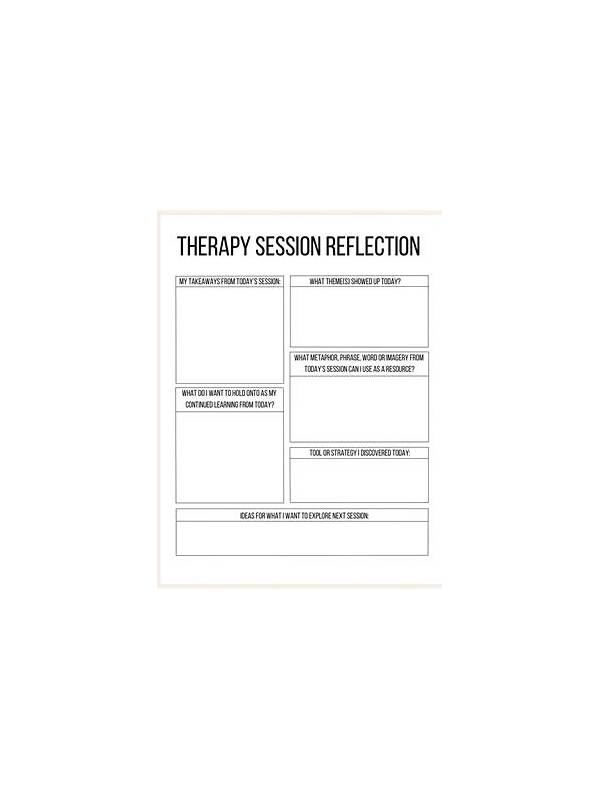
An end-of-session reflection should be short enough to complete while the decisions are fresh. It is not a replay of every card. Five questions can reveal one useful adjustment without encouraging emotional analysis of every result.
First, which decision felt clearest, and what information made it clear? This identifies evidence you already use well. Second, which decision felt rushed or confusing? Describe the available alternatives without calling yourself careless. The point is to identify a missing check.
Third, did you protect the hand’s required structure? Review pure sequences, joker use, and the final declaration condition according to the table rules. Fourth, did you keep any card mainly because it had already been held for several turns? This question exposes attachment and creates a chance to set a release rule.
Fifth, did the session stay within your time, attention, and spending boundaries? If not, treat that as a practical result that deserves action before the next game. A strategy lesson is less useful when the session itself has become uncontrolled.
Write one sentence for the next practice goal. Examples include “compare two discard candidates,” “check the declaration rule before arranging,” or “stop after the planned block.” Do not choose a goal based solely on the hand you lost. Review several sessions for repeated evidence, then adjust gradually. Reflection should create clarity and better boundaries, not pressure to play longer. n+Further practice should stay bounded. Review the choice after the round, note what information was visible, and decide whether the same approach deserves another test. If the result was frustrating, wait until calm before writing. A process note is more useful than a judgment about luck. Keep the exercise private, respect the table rules, and maintain time and spending limits. The purpose is clearer decisions, not a reason to play longer. n+A useful checkpoint is to ask what you knew at the moment of the decision, what alternative was available, and what rule or boundary applied. This keeps later results from rewriting the situation. If the lesson is uncertain, label it as a question and collect more examples rather than forcing a conclusion. Practice can be free or low pressure; never increase stakes to test an idea. Stop when the planned time ends, especially if attention or mood has changed. Calm repetition, honest comparison, and respect for other players make a stronger foundation than a single dramatic outcome. Keep the final note short, specific, and easy to revisit before the next planned session.


