Rummy How-To: Test a Sequence Plan Before Committing
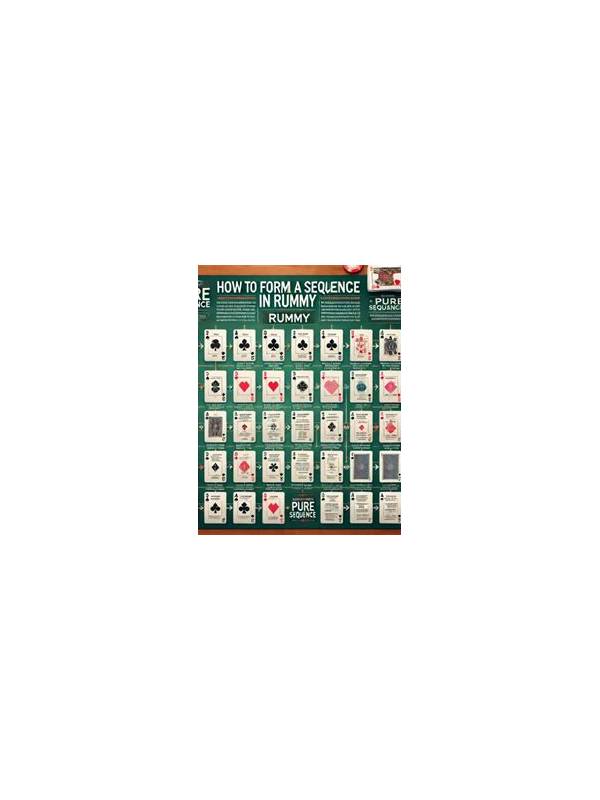
A nearly connected sequence can be useful, but it can also consume several turns without improving. Before committing to it, test the plan in a structured way. This is especially helpful when a hand contains multiple pairs or when the needed cards may already be visible elsewhere.
First verify the basic rule. Confirm that the proposed cards share the required suit and follow the order allowed by the format. Do not let a visually pleasing run replace an actual rules check. If jokers or wild cards are involved, verify how they may be used and whether the format requires a natural sequence.
Second measure the distance. A plan needing one middle card is different from a plan needing two specific ends. Write the missing connections mentally and count how many useful cards could complete or improve the idea. Then consider whether known discards reduce those possibilities. The goal is not perfect probability calculation; it is an honest description of how narrow the route is.
Third inspect the alternatives. Could either card join a set? Could one be paired with a stronger sequence already in the hand? If the same card supports two plans, decide which plan has a clearer finish and lower cost. Do not keep every possibility indefinitely just because it is possible.
Fourth set a commitment point. You might keep the plan for the next draw, or until a specified card fails to appear. At that point, reassess using new information. A commitment point is not a prediction that the card will arrive. It is a promise to review the plan instead of protecting it automatically.
Finally check the discard cost. Holding the sequence may preserve flexibility, but it may also keep high-point cards or prevent a confirmed group from forming. Compare the full hand, not just the attractive pair in front of you. If the sequence remains the best route after these checks, keep it with a clear reason. If not, release it without treating the change as failure.
This test is quick once practiced. It encourages flexible planning while guarding against the common mistake of confusing a promising shape with a nearly finished group. Apply it to apparently complete groups too: check for double-used cards, an overlooked suit, or a joker assumption the format does not permit. Correct the arrangement before making another choice. A legal arrangement should also have a practical route to completion. If the route is too narrow, compare it with the strongest alternative rather than protecting it because it looks almost finished.