
Rummy FAQ: Does a Joker Always Belong in the Hardest Group?
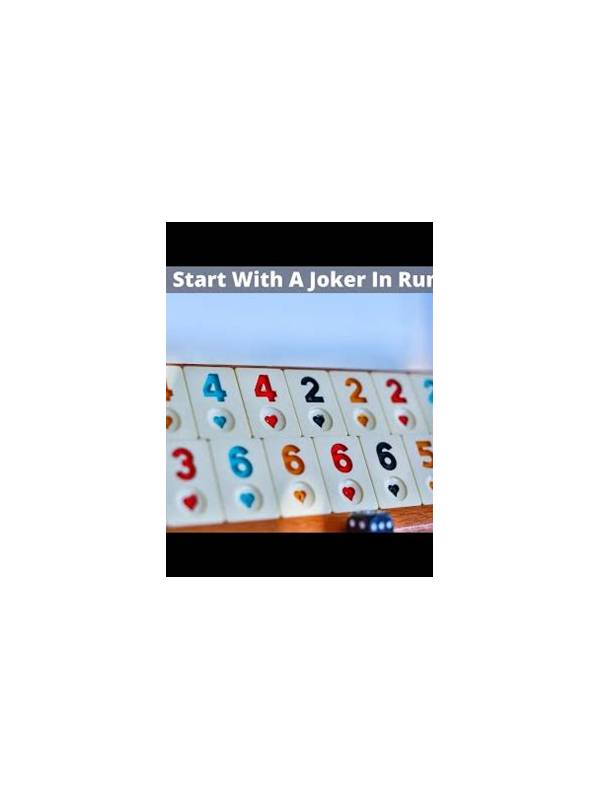
The hardest group in a rummy hand is not automatically the best place for a joker. A joker can fill a missing connection, but its value depends on what the rest of the hand can do without it. Using it in a difficult group may rescue that group while leaving several weak cards elsewhere.
Begin by listing the joker’s realistic assignments. One option may complete a sequence; another may turn a pair into a set. Compare the resulting hands, not just the appearance of the individual group. Which assignment creates more connected cards? Which leaves fewer isolated high-value cards? Which gives you a second route if the next draw is unhelpful?
Protect required structures first. In formats that require a pure sequence or another specific arrangement, a joker cannot replace the relevant natural cards in every role. Confirm the table’s rules before assigning it. A visually complete hand is not useful if it fails the declaration requirements.
Consider flexibility. A joker placed in a group with only one possible arrangement may solve a problem but become trapped there. A joker placed where it supports a group that can change shape may retain more value. This does not mean the joker should always remain unassigned. It means the assignment should be reviewed when a new card changes the hand.
Avoid holding the joker as a symbol of future potential. If it can immediately reduce a large penalty and the alternative plan is weak, using it may be sensible. Keeping it only because a perfect combination might appear can be expensive. Compare the present improvement with the likely benefit of waiting.
The discard pile can affect the decision. If natural cards for one assignment are already visible, that route may be less attractive. If several related cards remain unknown, the joker may be more valuable as a bridge. Do not assume that visible absence proves anything; use it as one factor alongside your own structure.
A simple review test is to remove the joker mentally and examine both candidate arrangements. Then add it to each place and ask which version changes the most weak cards into useful ones. The strongest assignment often has a modest visual effect but improves the hand’s overall balance.
Jokers are powerful because they create choice. The best use is therefore not always the most dramatic repair. Choose the assignment that satisfies requirements, reduces risk, and leaves a practical next move. Revisit that choice whenever the hand gains new information.


