
How to Use a Rummy Decision Checklist Without Playing Mechanically
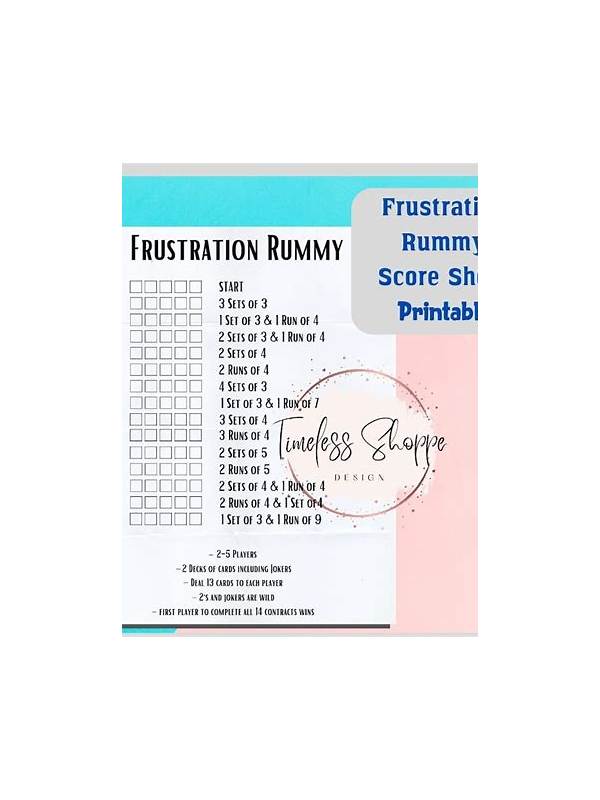
A checklist is useful when it supports attention, not when it replaces thought. In rummy, a long list can slow every turn and make the player feel trapped by procedure. A compact checklist should protect the essentials while allowing the hand’s changing information to guide the final choice.
Build the list around four questions. What changed after the draw? Which groups are strongest now? Which card has the highest cost if kept? What does the discard pile suggest about risk? These questions are broad enough to work in different situations and short enough to answer within a normal turn.
Use the checklist in order, but do not force an answer from every question. If the draw clearly completes a group, the first two questions may settle the turn. If the hand is uncertain, the cost and risk questions become more important. The checklist should direct attention toward the relevant issue rather than require equal analysis every time.
Write separate versions for practice and live play. A practice checklist might include detailed notes about pure sequences, alternate routes, and the reason for a discard. A live version should contain only the few prompts that can be remembered without breaking concentration. Review the detailed notes afterward instead of carrying them all into the table.
Leave space for new evidence. A checklist should never say “keep the pair” or “always discard a high card.” Those are conclusions, not questions. The same pair can be valuable in one hand and a distraction in another. The same high card can be part of a strong plan or an expensive leftover. Flexible wording prevents mechanical habits.
Test the checklist over several sessions. Notice whether it catches the errors you actually make. If you often forget to verify a declaration, add a declaration checkpoint. If you spend too much time evaluating harmless cards, shorten that section. A checklist is a working tool and should be revised based on evidence rather than copied from someone else’s style.
Do not use it to criticize every decision after the fact. The purpose is consistency under uncertainty. A sensible choice can lead to a poor result, and an incomplete checklist can occasionally produce a lucky win. Review whether the questions were asked and whether the answer matched the visible information.
The best checklist eventually becomes a quiet mental rhythm. You draw, reorganize, scan, compare, and verify. When a genuine turning point appears, the rhythm gives you permission to slow down. That combination of structure and flexibility is more useful than either impulsive play or endless calculation.


