
How to Organize Rummy Cards for Faster Decisions
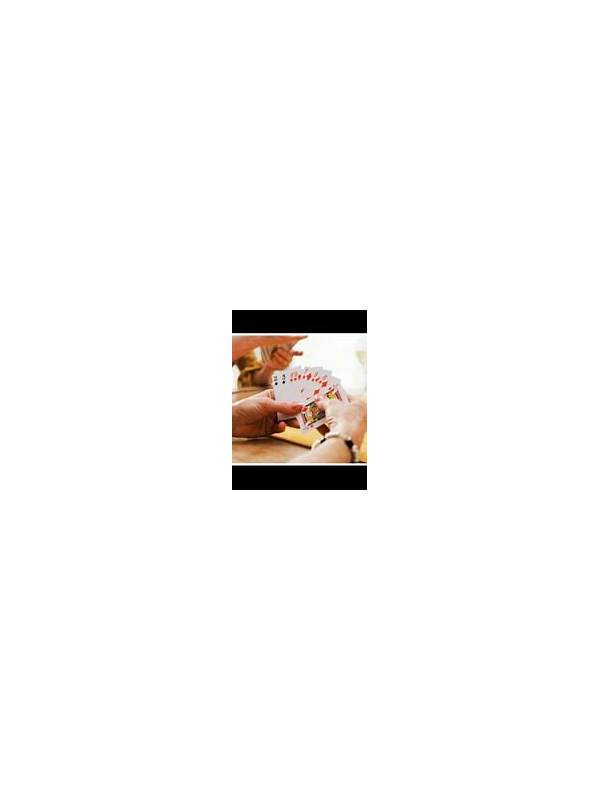
Card arrangement is a small practical skill with a large effect on decision quality. When cards are placed randomly, useful relationships can be hidden by visual noise. A consistent layout makes it easier to identify sequences, sets, isolated cards, and combinations that are unlikely to mature.
Choose one organizing method and keep it stable. Many players group cards by suit, while others group likely sequences together and place uncertain cards at the edge. Either method can work. The important point is that the arrangement should display relationships rather than reflect the order in which cards were drawn. Move a new card into the appropriate group before evaluating it.
Leave a visible gap between combinations. A pair should not be pressed against a suspected run if doing so makes the hand look more complete than it is. Separating groups encourages an honest question: is this a finished structure, a possible structure, or simply two cards with a story attached? The distinction matters when deciding what to discard.
Keep jokers or wild cards slightly apart from ordinary combinations. A wild card can support different plans, so hiding it inside one group may cause premature commitment. Place it where it remains available for comparison. If it is assigned to a sequence, check whether that assignment still provides more value than using it elsewhere.
Rearrange after every meaningful draw, not after every impulse. A new card may improve one group while making another less important. Pause long enough to compare the whole hand. Ask which arrangement uses the fewest unsupported assumptions and which leftover cards carry the most penalty. This prevents the new card from dominating your attention.
Digital tables may offer automatic sorting. Automatic sorting is convenient, but it can also hide your chosen plan or reorder cards in a way that slows recognition. If the setting can be adjusted, use a display that keeps suits or meld groups legible. Check the interface before entering a serious session so that an unexpected animation does not create confusion.
Practice the layout away from a live table. Deal a sample hand, arrange it, and name each group as strong, developing, or disposable. Then add one imagined card and reorganize. The drill builds a physical or visual routine, so less attention is spent on housekeeping during play.
Good organization does not make a weak hand strong. It does make the hand easier to read. When the layout is consistent, changes become visible: a pair loses its only connection, a sequence gains a second route, or a high card remains isolated for too long. Those signals support calmer, faster choices.


