Rummy How-To: Build an Error Taxonomy
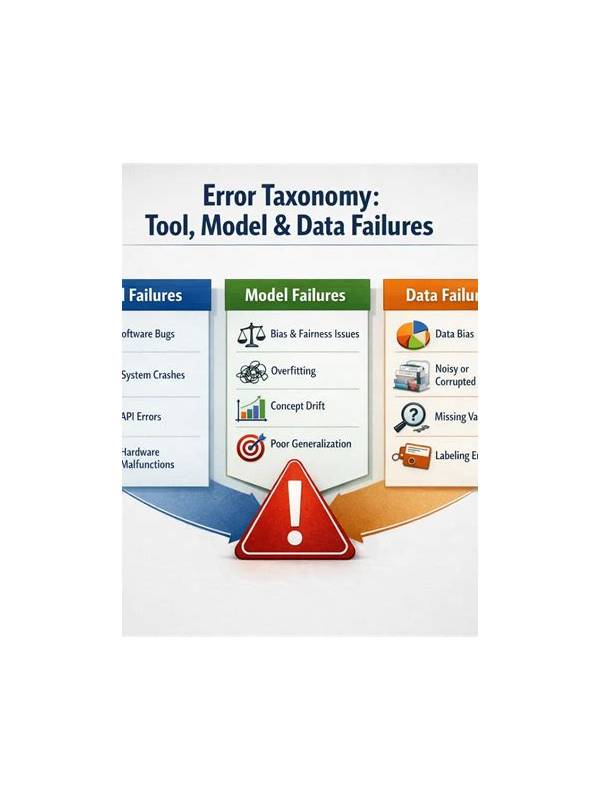
A hand review becomes vague when every poor result is called a “bad decision.” An error taxonomy gives you a small set of categories for identifying what actually went wrong. The goal is not self-criticism; it is to find a repeatable correction.
Use five starting categories. A rules error means the hand was evaluated under the wrong variant or declaration requirement. A counting error means a visible card, point value, or remaining requirement was misread. A timing error means the plan might have been reasonable earlier or later but not at that moment. A structure error means the cards were grouped in a way that hid a better route. An attention error means a notification, rushed turn, or distraction caused you to miss information.
After a hand, choose the earliest moment at which the error changed your options. Write the action, the category, and one correction. For example: “Kept a narrow pair after two relevant cards were gone; timing error; set a review deadline for narrow routes.” Avoid listing every imperfect turn. One well-defined correction is easier to practice than a long catalogue.
Some decisions belong to more than one category. Choose the category that best explains the cause, not the visible result. If a wrong discard came from misreading the rules, classify it as a rules error even if the immediate action looked like poor strategy. Correcting the root cause should improve later decisions.
Keep outcome separate from process. A correct counting method can lead to a loss, while a lucky guess can lead to a win. Record the result, but do not use it as the category. Over several reviews, count recurring error types. If timing appears often, add clocks or deadlines to practice. If structure errors dominate, practice re-sorting hands before drawing.
The taxonomy should stay small enough to use. Add a new category only when the existing ones cannot describe the problem clearly. A short, consistent review turns frustration into a training plan and makes improvement measurable without pretending that every hand has one perfect line.
Keep the taxonomy private and practical. It is a tool for learning, not a label for your ability. A recurring category points to a habit to test, while a one-time category may simply be an unusual mistake. This attitude makes it easier to review honestly.