Rummy Tips: Keep a Single Source of Truth for Your Plan
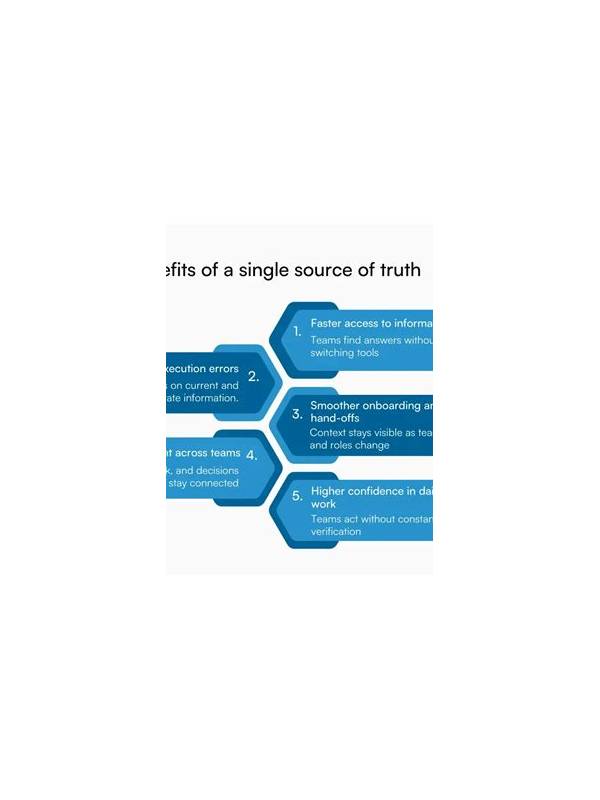
When a hand becomes complicated, players can hold several explanations of their plan at once. One card is “protected,” another is “temporary,” and a third is “probably dead,” but the labels may come from different moments. Keeping one current source of truth makes decisions clearer.
Use three headings: anchors, experiments, and exits. Anchors are groups or cards you intend to protect. Experiments are routes being tested for a limited time. Exits are cards that can leave if they do not improve. The categories should describe the current hand, not your earlier intentions.
Update the record after a draw, a pickup, or a visible change in the discard pile. Move a card from experiment to anchor when it becomes part of a credible group. Move it to exit when its support disappears. If a card seems to belong in two categories, decide which role has priority and note the reason in a few words.
Keep the record short. A long list is difficult to maintain and may create the illusion of precision. Three to five anchors, one or two experiments, and one clear exit are usually enough for a normal hand. If everything is marked important, the system is not helping you choose.
Before discarding, consult the current record and ask whether the candidate belongs to an anchor or an experiment. If it belongs to neither, it is a natural exit unless the rules create a special reason to keep it. This check is particularly useful after a surprising draw, when old priorities can linger unnoticed.
The same approach helps review. After the hand, see whether an experiment was kept beyond its deadline or whether an exit was protected without evidence. The lesson is about maintaining a current plan, not about predicting every card.
One concise record reduces contradiction. By keeping anchors, experiments, and exits current, you can adapt to new information while avoiding the mental clutter of plans that no longer apply. This record also prevents emotional reversals. A surprising draw may make an experiment feel like an anchor, while a missed draw may make a sound anchor feel worthless. Check the evidence before changing categories. Plans should change because the hand changed, not because one turn produced excitement or frustration. A concise current record gives those emotions less control over the next discard. At the end of a hand, clear the record rather than carrying its labels forward. A new deal deserves a fresh assessment. This reset keeps the tool lightweight and ensures that yesterday’s anchor does not become an unexamined rule for today.