Rummy How-To: Rebuild a Discard Timeline After a Hand
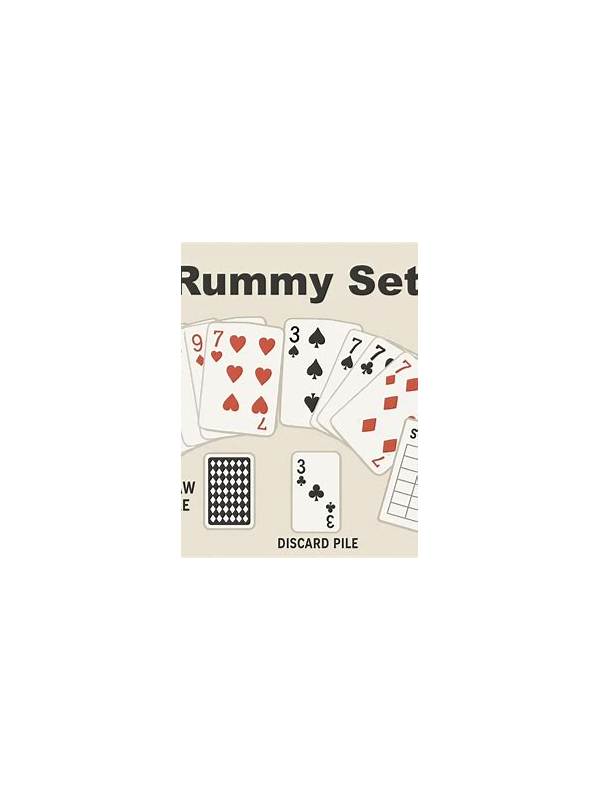
A discard timeline is a useful review tool because it preserves the order in which information became available. Looking only at the final pile encourages hindsight: a card seems obviously valuable because you now know what followed. Rebuilding the timeline lets you examine what each discard meant at the moment it occurred and how your plan changed afterward.
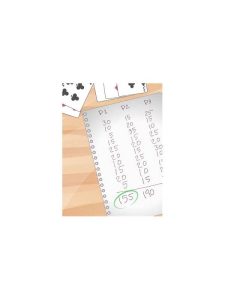
Start with a simple row of turns. For each of your turns, record the drawn card, the discarded card, and the main hand structure you were protecting. If you cannot remember an item, mark it unknown instead of filling the gap with a guess. Add visible opponent discards only when you are confident about their order. An incomplete accurate timeline is more useful than a complete invented one.
Next mark decision points. A decision point occurs when you changed your intended group, discarded a card that could have connected, or chose between the closed and open draw under the format’s rules. Beside each point, write the evidence you had: a visible card, a number of turns left, or a risk in your current hand. This makes your reasoning inspectable.
Look for timing patterns. Did you discard a card immediately after drawing its neighbor? Did you hold a high card because a promising route had not yet failed? Did the visible pile change your plan, or did you notice it only after the hand ended? Avoid labeling every outcome as a mistake. Focus on whether the action followed the evidence that was available.
Finish with one experiment for the next session. You might pause before discarding a card that has two connections, or you might write the current plan before looking at a tempting open discard. Keep the experiment narrow. A timeline is not a demand to remember every card forever; it is a way to test one improvement while the sequence of decisions is still understandable.
When records are available, keep the timeline focused on your own turns and the public information you were entitled to see. Avoid collecting private information about other players or sharing screenshots that expose usernames and account details. If the platform provides a match history, use its official tools and respect its rules. Good analysis should improve your decisions without creating a separate privacy problem. When records are available, keep the timeline focused on your own turns and the public information you were entitled to see. Avoid collecting private information about other players or sharing screenshots that expose usernames and account details. If the platform provides a match history, use its official tools and respect its rules. Good analysis should improve your decisions without creating a separate privacy problem.