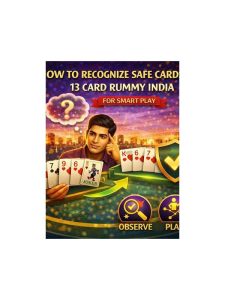
Rummy FAQ: When Should You Keep a High Card?
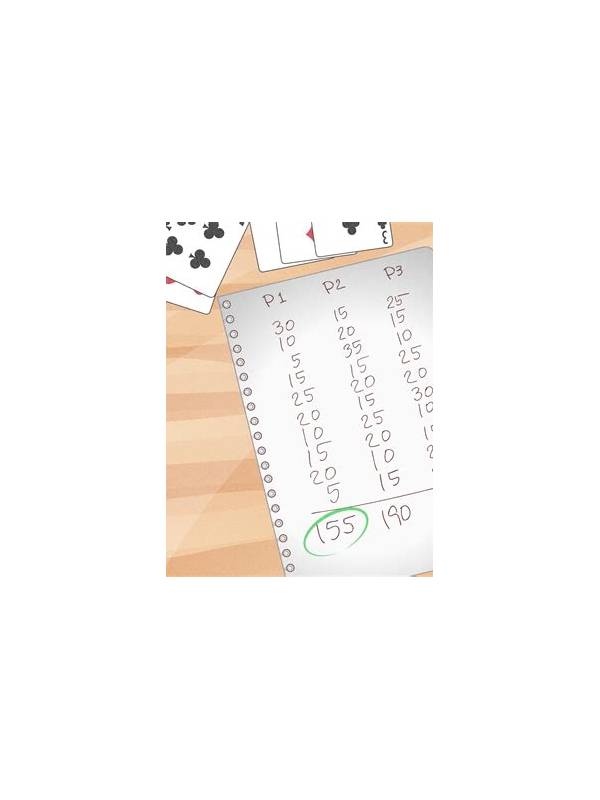
A high card is not automatically a bad hold, and a low card is not automatically a good one. The right question is what job the card has in the current hand. A high card that belongs to a strong sequence route may be useful, while a low card with no connection may still be deadwood. The decision should balance future use, penalty exposure, and the cost of waiting.
First, identify the high card’s connection. An eight, nine, or ten can often support more nearby ranks than a king, but the suit and surrounding cards matter. A queen beside a jack may be promising; a lone king with no matching suit connection is usually harder to justify. Write down the exact cards that would improve the high card and whether more than one route exists.
Second, compare it with your other discard candidates. If a high card is part of a possible pure sequence and a lower card is entirely isolated, the high card may deserve to stay. If the high card is competing for the same slot as a nearly complete lower sequence, its points become more important. Choosing between candidates is a comparison, not a slogan about rank.
Third, set a time limit for the idea. A high card can remain in the hand for one or two draws while its route is plausible, but it should not receive unlimited patience. Define a checkpoint: if no connecting card appears, or if another group becomes much stronger, release it. This protects you from turning a hopeful connection into a permanent commitment.
Jokers change the calculation, but they do not erase it. A joker may make the high card easier to place, yet using a joker in one group can prevent a more valuable completion elsewhere. Consider the whole declaration requirement and confirm the variant’s rules before relying on the joker.
During practice, use the phrase “high, but useful because…” and finish the sentence with a specific reason. “It is near a pure sequence,” “it supports two routes,” or “it is the only missing rank in a set” are testable reasons. “It feels lucky” is not. At review time, ask whether the reason was still valid at the discard moment. This simple habit keeps high-card decisions grounded in structure rather than fear of points.
It is also reasonable to release the card before it becomes dangerous. Waiting for one more draw should be a conscious choice with a stated checkpoint. If the card has no connection, no backup role, and a meaningful penalty, its burden is already part of the decision even when many turns remain.