Rummy Comparison: Narrow Draws Versus Broad Improvements
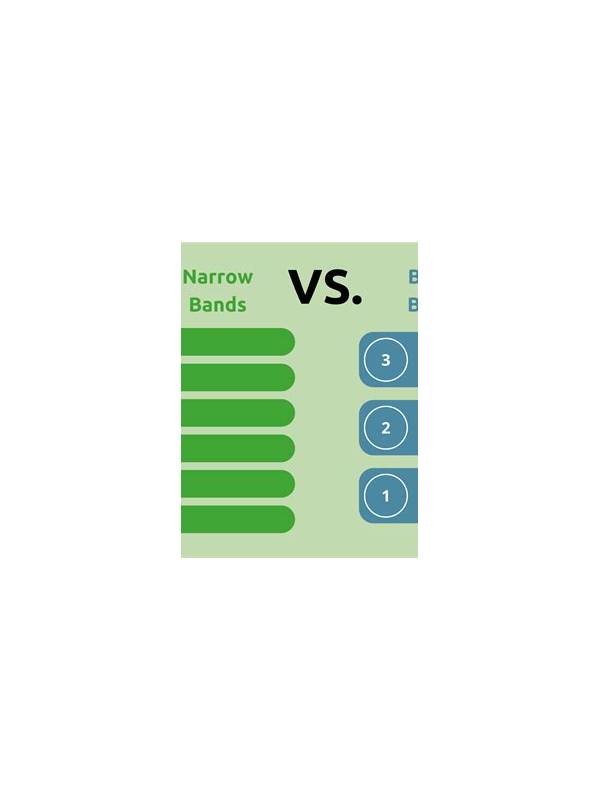
A narrow draw asks for one particular card or a very small set of cards. A broad improvement can make the hand better in several different ways. Neither is always correct, but comparing their resilience helps you avoid becoming attached to a beautiful, unlikely route.
Narrow draws are strongest when they complete something important. A card that secures a required pure sequence may justify patience, especially when the rest of the hand is stable. They are weaker when they merely make an incomplete group look attractive while other cards remain exposed.
Broad improvements are valuable because they tolerate imperfect information. A draw may connect to either side of a sequence, improve a set, or reduce the cost of a high card. This flexibility often gives you more useful turns, though it can also leave the hand without a clear finish if you never commit.
Compare the routes using four questions: how many cards improve the hand, how much each improvement changes the structure, what you discard while waiting, and when you will reassess. A narrow route with a high structural reward may beat a broad route with tiny gains. A broad route with modest but repeated improvements may beat a narrow route that consumes several turns.
Set a deadline for patience. If the needed card does not appear after the planned window, downgrade the narrow route and protect the best broad alternative. The deadline is especially important when keeping the narrow draw prevents you from shedding a costly or isolated card.
The comparison is not about avoiding risk entirely. It is about matching risk to the hand’s remaining time and obligations. Write down what success would accomplish before waiting. If you cannot explain the benefit beyond “it would be nice,” the broad route probably deserves more weight. Remember that a broad route still needs a stopping condition. Keeping every flexible card can leave you with no finished group and too many unfinished promises. Choose the best broad improvement, protect the cards that support it, and release alternatives that no longer earn their space. A route is broad because it has several credible improvements, not because every card may remain indefinitely. Clear boundaries make flexibility useful rather than vague. Broadness should create useful choices, not permission to postpone every difficult discard. The deadline is what turns a flexible route into a plan. Without one, broad improvement can quietly become another form of hesitation.