Rummy How-To: Build a Personal Error Checklist
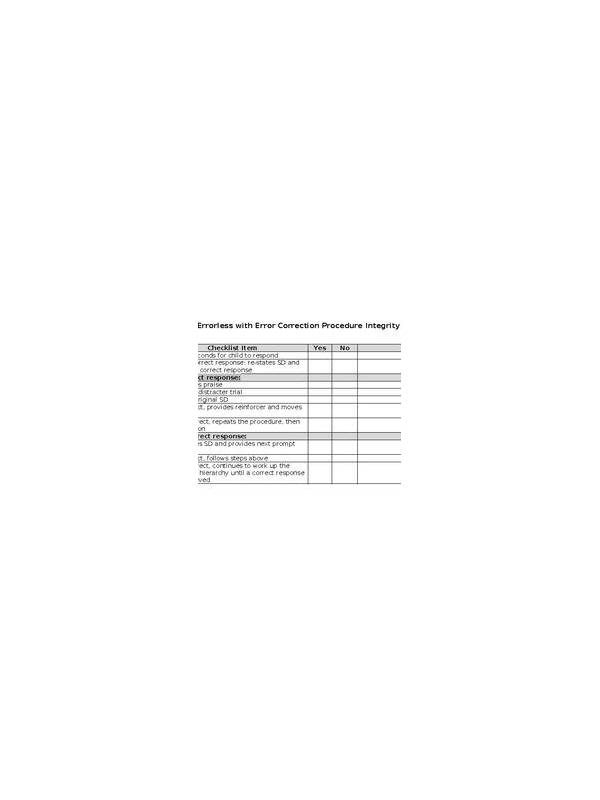
A useful error checklist is personal, short, and tied to observable decisions. It should help you catch repeated process mistakes, not serve as a long list of rules to memorize.
Begin with evidence from several hand reviews. Look for actions that recur: keeping a high card without a deadline, forgetting a completed group while sorting, taking a discard without checking the rule, or continuing after your attention has deteriorated. Choose only errors that appear more than once or have a meaningful safety consequence.
Rewrite each error as a question you can answer before acting. “Do not chase narrow cards” becomes “What is my deadline and exit route?” “Do not rush” becomes “Did this choice change the structure of my hand?” Questions are easier to use because they prompt a check rather than a judgment.
Divide the checklist into three stages. Opening checks might cover the format, hand size, and strongest initial group. Mid-hand checks might cover available completions, competing plans, and the current weakest card. Closing checks might cover valid grouping, penalty, and whether a declaration or final action follows the rules.
Keep the list to three or four questions per stage. If it is longer, mark the highest-value checks and use the others during review. A checklist that interrupts every routine draw may create fatigue and reduce its own usefulness.
Test the checklist for one week of practice. Note which questions catch a real issue and which never change a decision. Remove questions that are vague, redundant, or impossible to answer with available information. Add a question only when a new repeated error appears.
Separate strategy errors from interface or safety errors. Missing a connector is a learning point; entering a secret code into an unverified form is a security issue. Safety questions should remain active even when a session is casual and should never be replaced by confidence in a familiar app.
At the end of a session, record one checklist item that mattered. This keeps the tool connected to real evidence and makes improvement visible. Over time, the list should become shorter as some checks turn into habits and new weaknesses become clear.
The goal is not perfect play. It is a reliable pause before the decisions that most often go wrong. A small, evidence-based checklist can provide that pause while leaving ordinary turns quick and natural. The checklist can also include a privacy reminder when you review online sessions: keep notes free of passwords, payment details, and other players’ personal information. Better decisions should not require creating a new security risk.