Rummy FAQ: What Is a Recovery Draw?
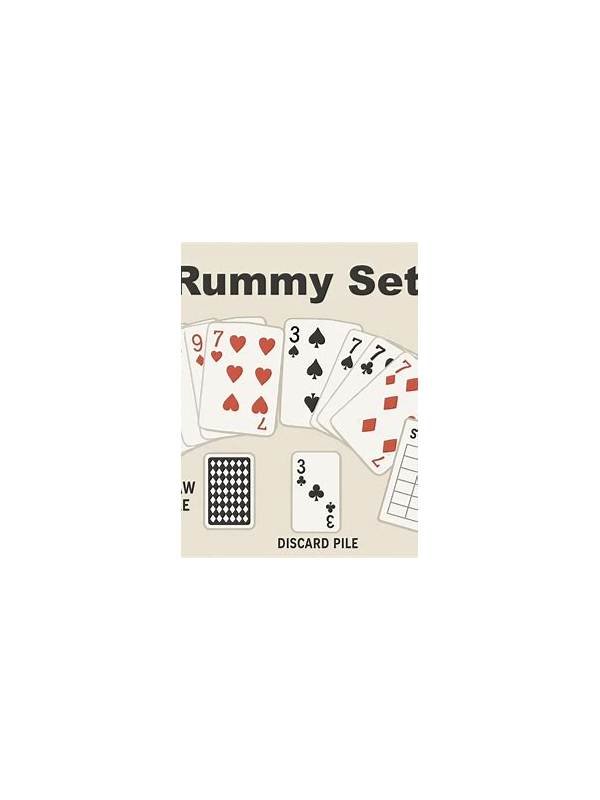
A recovery draw is a draw chosen after a hand has lost its original direction. Perhaps a key card was discarded by another player, a planned sequence became unlikely, or a new card forced an awkward reorganization. The purpose is not to rescue the first idea at any cost. It is to improve the hand’s structure while keeping a practical route available if the next draw is unhelpful.
The first sign of a recovery draw is that it fixes a real weakness. It may reduce the number of completely loose cards, turn a fragile pair into a stronger connection, or create a group that does not depend on one very specific card. Merely making the hand look more interesting is not enough. Ask what problem the draw solves and what remains unfinished afterward.
A good recovery draw also has more than one use. Suppose a card can extend one sequence but can also join a set if another rank appears. That flexibility gives the hand room to respond. By contrast, a card that helps only one narrow arrangement may continue the old plan rather than recover from it. Narrow cards are not automatically bad, but they need a clear deadline: if the missing card does not appear soon, what will you release?
Timing matters. Early in a hand, a recovery draw can favor broad connections because several turns remain. Later, the same choice may be too slow. As the remaining draw opportunities shrink, prefer improvements that are visible now or that have a strong backup. A recovery plan without a deadline can quietly become another form of wishful waiting.
Do not confuse recovery with panic. After a bad draw, players often discard the newest card immediately because it feels responsible for the problem. Instead, inspect the whole hand again. The new card may be the only useful connector, while an older card is now the true source of clutter. A short reset helps you choose based on structure rather than emotion.
You can test a candidate recovery draw with three questions. Does it remove or reduce a real weakness? Does it leave at least one alternative route? Can you name the point at which you will abandon it? If the answers are yes, the draw is doing useful repair work. It may not produce an immediate win, but it turns a damaged hand into a hand with a manageable decision. That is the central value of recovery: restoring control without pretending the original plan survived unchanged.