Rummy Guide: Use a Decision Ladder for Close Calls
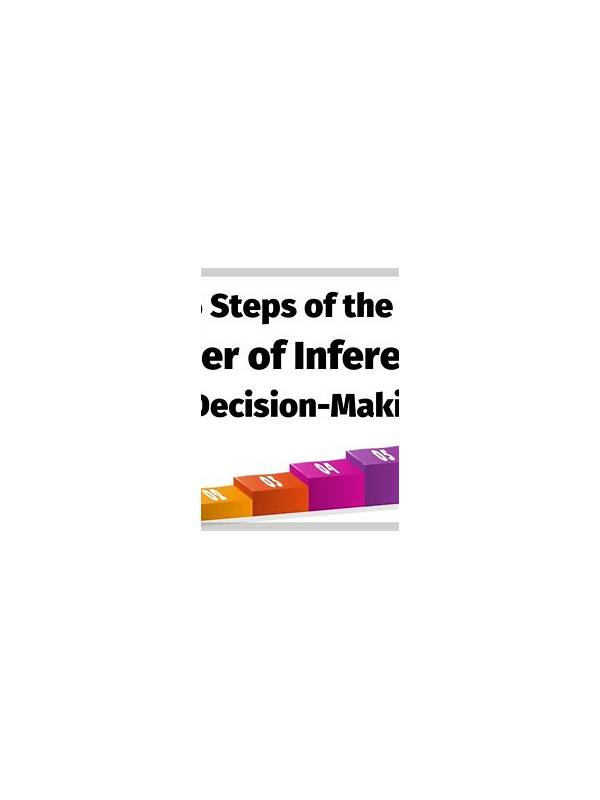
Close calls become difficult when every consideration arrives at once. A decision ladder gives them an order. Check structure first, then timing, then risk, and finally the best alternative. The sequence keeps a dramatic moment from turning into an unexamined impulse.
At the first rung, ask what the card does to your hand. Does it complete a natural structure, add a credible connection, or merely look compatible? Prefer concrete improvement over decorative possibilities. If the card has no clear role, the decision should need an unusually strong reason to continue.
At the second rung, consider timing. How many turns remain, and how long would the plan need? A good idea with no time is not a good current decision. Conversely, a modest idea may be acceptable early when several future draws remain. Match patience to the available window.
At the third rung, measure risk. What liability are you retaining, and what information are you revealing? Include the cost of a miss, not only the reward of a hit. If taking the card forces you to carry a high-point loose card or abandons your only stable meld, the improvement must justify that cost.
At the last rung, name the alternative. Compare taking the card with drawing from the stock, keeping the current arrangement, or releasing the plan. A choice feels inevitable when alternatives remain vague. Make each option concrete enough to imagine its next discard.
You can use the ladder in a few seconds after practicing it. The point is not to calculate every probability. It is to ensure that the same important questions appear in the same order. If two choices remain equal, choose the one with the clearer exit and lower emotional pressure.
The ladder works for draws, discards, and rearrangements. It creates consistency without removing judgment, which is exactly what close decisions need.
The ladder can be shortened when the table is moving quickly. Ask only: does it improve structure, is there enough time, and what is the exit? Use the full version during practice or review. The core benefit comes from ordering the questions, so even a compact form can protect you from choosing a card simply because it is visible or emotionally satisfying.
When the ladder produces a tie, prefer the option that leaves a reversible next step. Reversibility gives new information room to matter.
That final check often resolves close calls.
If it does not, accept the tie and choose the lower-risk route with a clear next action.