Rummy FAQ: Why Does a Good Draw Still Need a Discard?
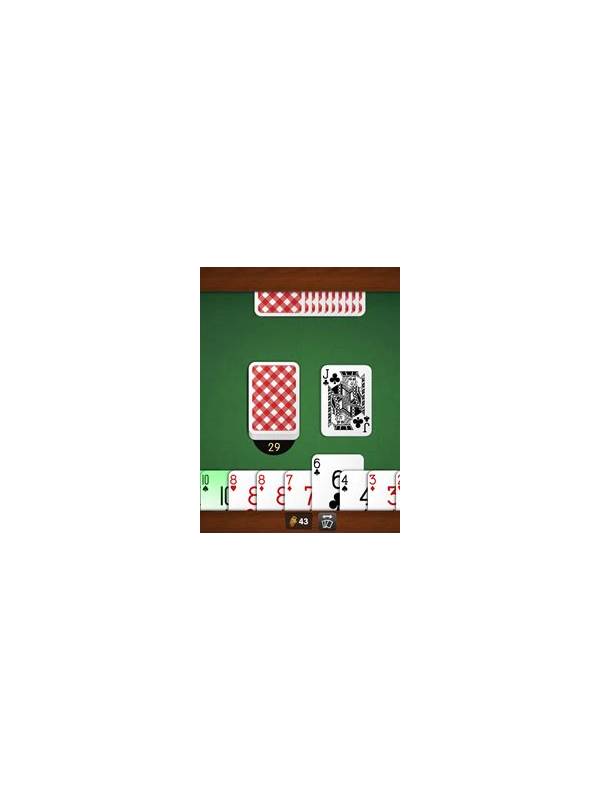
A good draw does not remove the need for a discard because the hand has a fixed size. Every new card must replace another card, so improvement is relative. The useful question is not whether the drawn card is good in isolation, but whether it creates more value than the card you remove.
Imagine drawing a card that completes a sequence. The improvement may be obvious, yet you still need to discard. Start with cards that became redundant. A duplicate that no longer supports another group, a high card without a role, or a connector whose only route has disappeared may now be weaker than before.
Avoid discarding automatically from the group you just completed. You may be tempted to throw away another card of the same suit or rank because the new combination feels secure. Check the rules and the rest of the hand first. The apparently spare card may be the foundation of a second required sequence or a useful set candidate.
A good draw can also expose a bad previous assumption. Before the draw, you may have protected a flexible card because it offered several routes. Once the new card creates a stronger structure elsewhere, that flexible card may become unnecessary. Updating the plan is more important than defending the earlier decision.
Use a before-and-after comparison. Identify the old card’s best current job, then identify the drawn card’s best job. If the new card improves the hand more, discard the card with the lowest remaining role, adjusted for point cost and future options. This keeps the process objective when the draw is exciting.
The discard is part of the improvement, not administrative cleanup. A strong turn creates one clearer plan, removes one weaker plan, and leaves the next decision easier. If the new card improves nothing, it may still be useful to discard a dangerous high-point card and accept that the turn was defensive rather than progressive.
This is why a draw should not trigger an automatic celebration. Pause long enough to place the new card beside the groups it could affect. If it fits one group cleanly, protect that progress. If it competes with an existing plan, compare both structures before moving anything. A deliberate discard turns a lucky arrival into a controlled improvement and makes the next turn easier to read.
The replacement card may also change what information you reveal. Before discarding, consider whether the card is likely to be useful to another player, but do not let that concern overturn a stronger improvement in your own hand. Your main task is to build a legal, manageable arrangement while keeping the penalty and remaining time under control.