Rummy Comparison: Fixed Budget Versus Time Limit
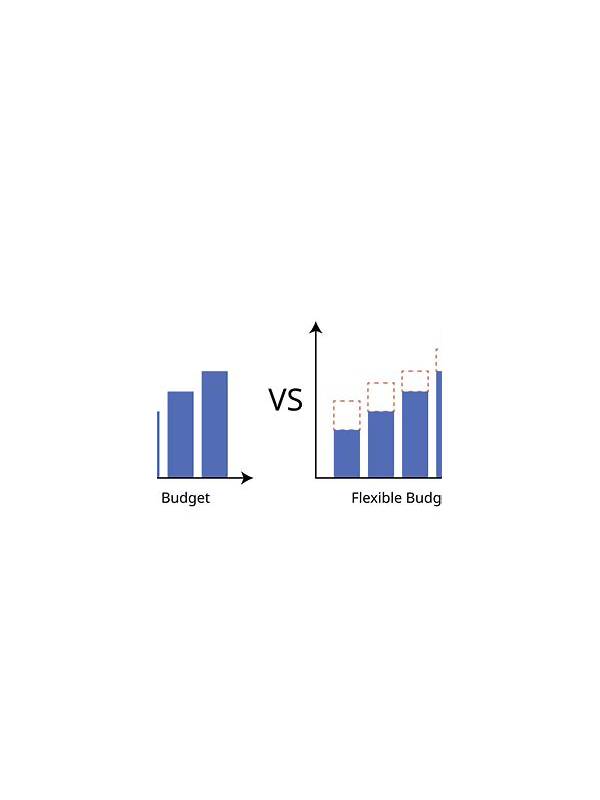
A fixed budget and a time limit control different risks. A budget limits how much money can be committed; a time limit limits how long attention and emotion remain engaged. Neither replaces the other. A player can stop spending but continue playing while tired, or stop at a set time after making an unplanned deposit. Understanding the difference makes session boundaries stronger.
A budget is concrete. Before a session, decide the maximum amount you are willing to lose and treat it as a limit, not a target. Include fees or other costs where relevant. Do not borrow, use essential household funds, or increase the amount because a recent result feels unfair. A budget is effective only when it is set before the pressure of the table appears.
A time limit protects decision quality. Mental fatigue can make card sorting, rule checks, and risk comparisons less reliable even when the player has not spent much. Choose an end time or a short session length and set an ordinary device reminder. When the reminder arrives, finish the current permitted action and review the exit checklist rather than negotiating for another hand.
Which limit should come first? Use the budget as the hard financial boundary and the time limit as the hard attention boundary. If either limit is reached, end the session. A result does not reset the boundary. In a practice-only environment, a time limit may be the main control, but the same habit of stopping at a preselected point can still improve learning.
Write the rules in plain language. For example: “I will play for 45 minutes, with no extra deposit, and stop when either limit is reached.” Avoid vague promises such as “I will stop if it feels too much.” Feelings can change quickly after a win or loss, while a written rule is easier to follow.
Review the boundary after several sessions, not immediately after an emotional result. Ask whether it was clear, realistic, and respected. If not, make the control simpler or seek a break from real-money play. A budget and time limit work together as a safety system: one protects resources, the other protects judgment.
If keeping either boundary feels difficult, take that as information rather than a challenge to improve your willpower. A longer break, a practice-only format, or support from a trusted person may be more appropriate than continuing under weaker controls.
A boundary that is easy to state and easy to verify is more useful than a complicated promise.