Rummy Hand Geometry: Why Card Position Changes What You Notice
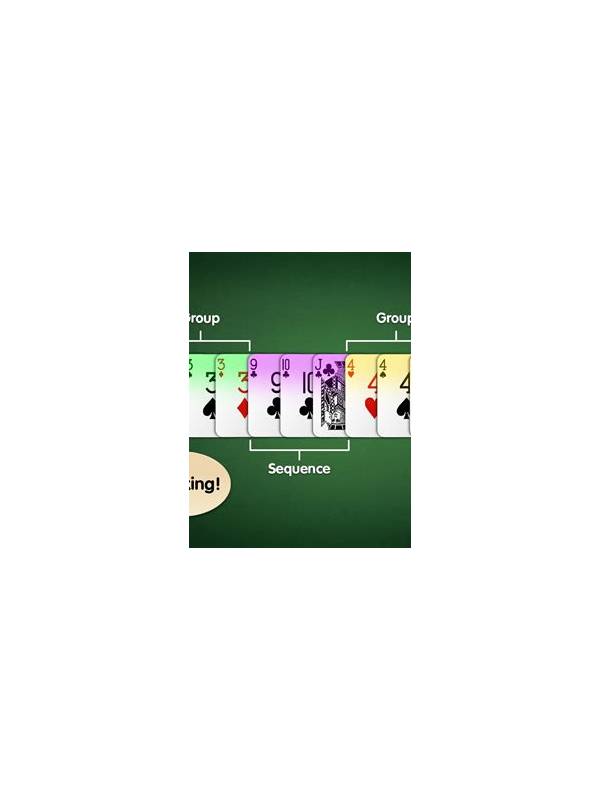
Arrange for decisions
The way cards appear on a screen affects what your eyes notice first. If related cards are scattered, an incomplete group can look weaker than it is. If unrelated cards sit together, you may protect them simply because they appear organized. Good hand organization is therefore a decision aid, not decoration.
Choose one sorting method and use it consistently. Sorting by suit makes sequence patterns easy to see. Sorting by rank makes potential sets clearer. Some players begin with suit blocks and place jokers or uncertain cards at one side. The best method is the one that lets you answer two questions quickly: which groups are secure, and which cards are still searching for a role?
Keep boundaries meaningful
Use visual boundaries between confirmed groups and developing groups. A boundary should not imply that a group is legal if it is only a pair. Label it mentally as “possible” until the required cards are present. This protects you from a common error: treating a neat-looking arrangement as proof that the hand is ready to declare.
Rearrange when a draw changes the plan. Do not leave the new card at the end while trying to remember its possible uses. Place it beside the group it affects, then look at the remaining loose cards. This small action often reveals a replacement: the new card may allow an old connector to be discarded, or it may make a previous pair unnecessary.
Avoid excessive rearrangement
Organization should save attention, not consume it. If the interface is slow or a turn clock is running, make the fastest clear arrangement and focus on legality and risk. The system must remain useful under pressure. Practice sorting in a fixed order so that it becomes automatic rather than a new problem each turn.
After a session, note whether visual clutter caused an error. Perhaps you missed a same-suit run, forgot a joker’s role, or kept an isolated card because it sat inside a tidy block. Adjust the layout for the next game. A small improvement in visibility can support better judgement across every turn, especially on a small screen or when the hand contains many incomplete combinations.
If the platform automatically sorts cards, learn what its order means before relying on it. An automatic layout may group by rank when you expected suits, or move jokers in a way that hides their role. Understanding the display prevents a useful tool from creating a new visual misunderstanding.