Rummy Learning Ladder: From Legal Moves to Better Judgement
Start with legality
New players often search for clever tactics before they feel comfortable with the basic structure of a hand. A better learning ladder begins with legal moves. Learn how sequences, sets, jokers, declarations, and scoring work in the specific format you are playing. Rules vary, so a strategy learned in one format may not transfer perfectly to another.
Your first practice goal is simple: arrange a hand and explain why the proposed declaration is valid. Do this without worrying about speed. Check that the required pure sequence exists and that every card belongs to an acceptable group. This foundation prevents many avoidable losses.
Add arrangement skills
Once legality is comfortable, practice sorting a hand into confirmed groups, developing groups, and loose cards. Learn to identify the card with the most useful connections and the card with the least defensible value. At this stage, focus on making one clear improvement per turn. Do not chase a perfect arrangement that depends on several unlikely draws.
The next level is risk awareness. Watch what opponents draw and discard, but keep your own hand as the priority. Learn to recognize when a discard may be useful to another player and when a safer alternative exists. This is about reducing avoidable help, not predicting the entire table.
Build judgement gradually
Advanced judgement combines timing, probability, and emotional control. You decide when to abandon a stalled plan, when to preserve a flexible connector, and when reducing points is more important than pursuing a beautiful finish. These choices improve through review rather than through memorizing a list of magic rules.
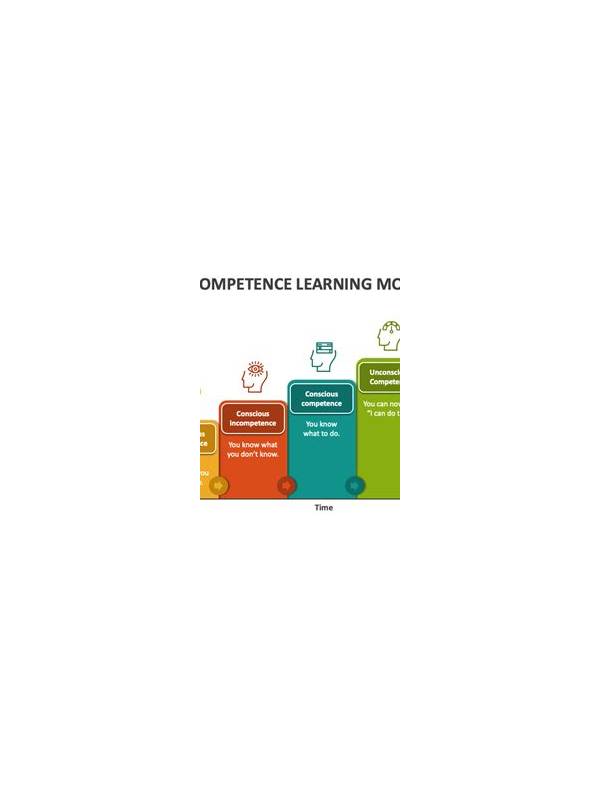
Move up one skill at a time. For a few sessions, study only pure-sequence protection. Then study high-value discards, followed by discard history or turn pacing. Keep a note of one decision that felt unclear and revisit it after the game. A staged approach makes progress visible and stops advanced ideas from hiding weak fundamentals.
The ladder has no final rung. Even experienced players return to legality, arrangement, and calm pacing when a format changes or a session becomes difficult. Strong play is not a collection of impressive tricks; it is reliable execution of simple principles under changing conditions.
Celebrate small evidence of progress, such as spotting an invalid group before declaring or abandoning a stalled plan one turn earlier. These improvements may not produce an immediate win, but they make future games easier to analyze. Confidence built from repeatable habits lasts longer than confidence built from one lucky finish.