Rummy Strategy: Use a Route Change Signal
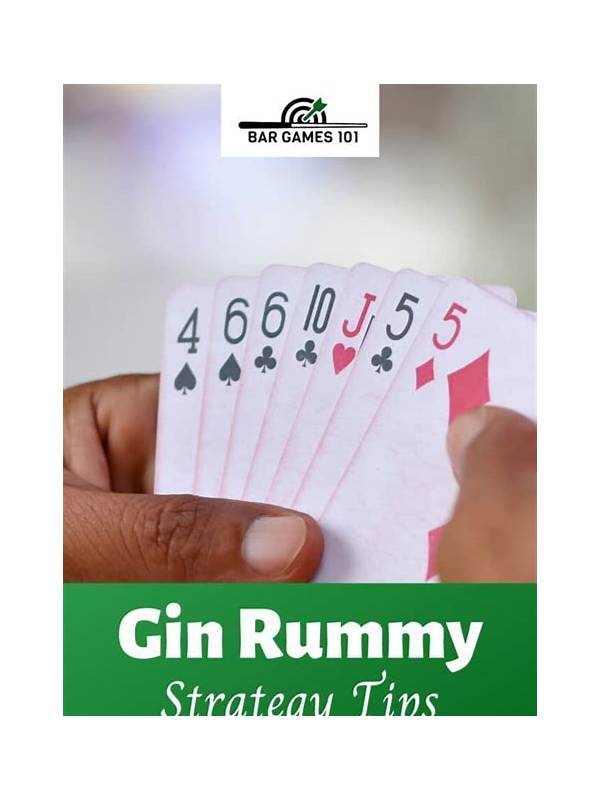
Many difficult hands become harder because the player never formally leaves the first plan. A route change signal is a preselected fact that tells you to reassess. It protects you from spending several turns defending a weak idea simply because you invested in it earlier.
Choose signals that can be observed. Examples include a needed connector appearing in the discard pile, a route receiving no support after two draws, or a new card creating a complete group elsewhere. A feeling that the plan is “not working” can be useful as a prompt to inspect the hand, but it should lead to evidence rather than an impulsive switch.
When a signal appears, pause for one full hand scan. List the route’s remaining requirements, its penalty exposure, and its fallback. Then compare it with the best alternative. The route change is justified when the alternative needs fewer uncertain cards, lowers exposure, or better satisfies a required structure. If the alternative is merely a different guess, keep the current plan but update its deadline.
Record the signal after the hand. Did it arrive too early, too late, or at a useful moment? Review whether you had enough information to act. This turns route changes into a learnable skill instead of a post-hoc story about luck.
A signal does not predict the winner of a hand. It creates a disciplined moment for reconsideration. By deciding in advance what evidence matters, you stay flexible without changing direction every time a draw disappoints you. A route change can also be triggered by a positive event. When a new card completes a different group, compare the new certainty with the old hope. Players sometimes keep chasing the original idea even after a better structure appears because they feel committed to it. The signal should be emotionally neutral: it can tell you to leave a route, or to promote a newly supported one. Either way, the purpose is to keep the plan aligned with current evidence. Write the signal in neutral terms before a session if you are practising a particular skill. For example, “after two unhelpful draws, compare the fallback” is easier to follow than “do not get stubborn.” Specific language gives you an observable action and makes later review fair. The aim is not to eliminate persistence, but to make persistence answerable to new evidence. Review the signal after the hand and ask whether it appeared at a useful time. If it was too vague, replace it with a more concrete condition. If it was ignored, consider why: distraction, attachment to the route, or lack of a visible reminder. Small adjustments make the routine easier to use in future hands.