Rummy Safety: Keep Your Session Budget Visible

A session budget is a practical boundary for time, attention, and spending. Writing it down before a rummy session can make the boundary easier to follow than relying on a changing mood. The budget is not a prediction of results; it is a limit on what you are willing to use.
Set the time limit first. Choose a finish time or a number of rounds that fits your day. Include a short buffer for closing the table and recording notes. If your schedule is uncertain, use a timer outside the game so the reminder remains visible when the table becomes engaging. A timer is most useful when it signals the end of play rather than inviting one more round.
Set a spending limit separately. Never treat a win as permission to expand the limit or a loss as a reason to chase recovery. Keep payment and game decisions distinct. If an app offers several entry levels, choose one that remains inside the pre-set boundary and avoid changing it while emotional or tired. Use only lawful, age-appropriate services available in your location, and check the current rules and terms yourself.
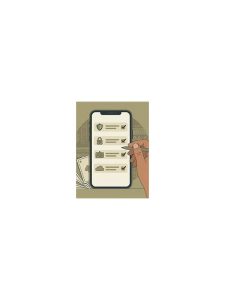
Make the budget observable. A note on paper can show the finish time and maximum amount without requiring you to open a wallet screen during play. If you share a device, store the note privately and protect account details. Do not record passwords, one-time codes, or full payment information in a session log.
Add stop signals. Fatigue, rushed clicks, repeated deposits, or the urge to recover a previous result are reasons to pause immediately. You do not need to wait until the limit is reached when decision quality is deteriorating. A cooling-off period can be ten minutes, the rest of the evening, or longer according to your circumstances.
At the end, record whether you stayed within the plan and how your attention felt. A useful budget is one you can review without self-judgment. If the same boundary is difficult to maintain, reduce session size, remove stored payment methods where appropriate, or use available platform controls. The safest habit is to make stopping ordinary before the table starts asking you to continue. If you play with others, communicate the boundary without discussing private financial details. A simple “I am stopping at nine” is enough. Do not lend, borrow, or pressure someone to continue after their limit. If you feel unable to control time or spending, step away and seek support from a trusted person or an appropriate local service. Safety takes priority over finishing a round.