Rummy How-To: Build a Simple Draw Decision Ladder
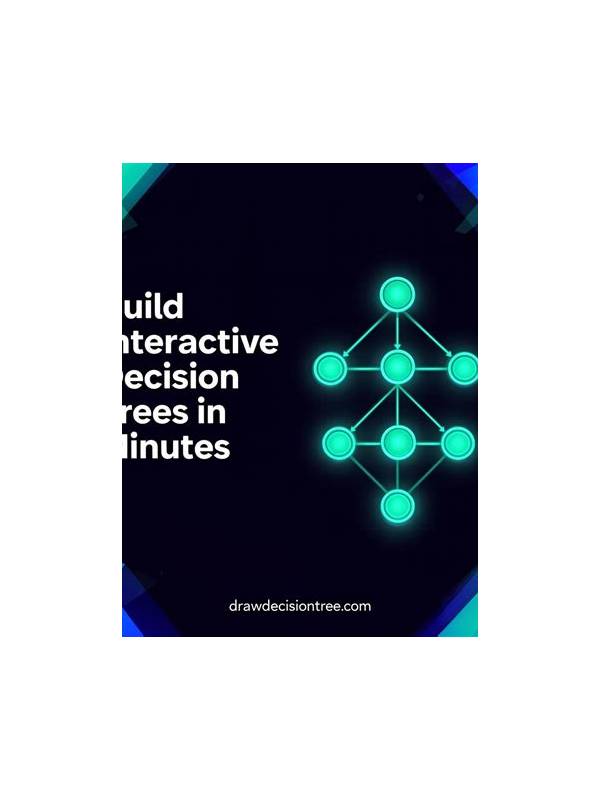
Choosing between an open discard and a closed draw can feel like a guess when several cards look interesting. A decision ladder makes the choice more orderly. It ranks three questions: what protects the hand now, what improves it next, and what leaves a recovery option if the draw misses.
Begin with the safety rung. Look at the card you would take from the open pile and ask whether it has a clear role. If it completes or extends a group without requiring a complete rearrangement, it is safer than an attractive card that merely matches a color or rank. Also check what taking it reveals. In some situations, an open pick can show other players the direction of your plan, so the gain should be meaningful enough to justify that information.
The second rung is useful improvement. Identify the group that benefits most from the draw. A card that helps two possible arrangements can be stronger than one that completes a single narrow idea, but only if the alternatives are genuine. Avoid calling a card “flexible” when every route still needs the same missing card. The best improvement is usually one that lowers the amount of remaining work or creates a cleaner discard candidate.
The final rung is recovery. If the draw does not help immediately, what will you do next? A hand with a fallback pair, a low-point single, or a second sequence direction can absorb a miss. A hand that depends on one exact card should have a time limit. Decide in advance how many turns you will allow before releasing the plan.
Apply the ladder aloud during practice: “Safe role, useful improvement, recovery.” Then choose the source that wins at least two of the three tests. If neither source passes, prefer the draw that keeps the most options and avoids a high-cost commitment. This is not a system for predicting luck. It is a guard against choosing only because a card looks exciting.
After the turn, note which rung influenced the choice and whether the result changed your plan. Over several reviews, you may discover that you overvalue immediate completion or ignore recovery. Adjust the ladder to fit the format, but keep the order intact. A clear safety check followed by a realistic improvement test produces calmer decisions than scanning the piles without a question. If the format has a timer, make the ladder even shorter: role, improvement, fallback. Practice it in low-pressure rounds until the questions become automatic. When the timer is nearly finished, choose the option that keeps the hand understandable and avoid a last-second move whose only attraction is novelty. Clear process is valuable even when the draw itself is random.