Rummy Card Jobs: Assign Purpose Before You Hold a Card
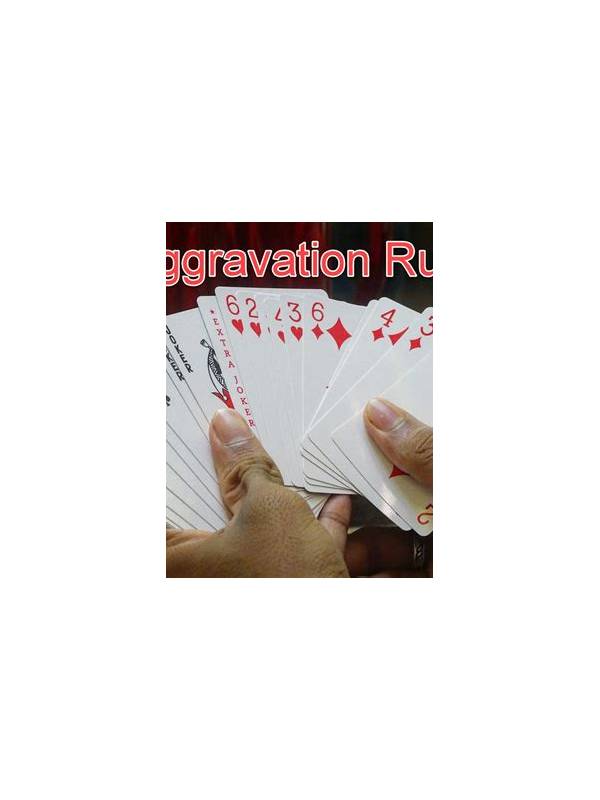
A card can be valuable because it already belongs to a group, connects two cards, protects a fallback, or reduces penalty risk. It can also be valuable only because you have not yet found a better use for it. Calling these situations by the same name leads to passive holding. A card-job method asks every card to justify its place in the hand.
Give each card one temporary job. Possible labels include “group member,” “bridge,” “flexible reserve,” “information card,” and “release candidate.” A job is allowed to change. In fact, changing a job is often a sign that you are reading the hand honestly. What matters is that a card is not retained simply because it has been present for several turns.
When two cards appear to share a job, compare their contribution. One may support two routes, while the other supports only one. One may be easy to replace, while the other is difficult to recover after discarding. This comparison is more useful than ranking cards by face value alone. A low card can be a critical bridge, and a high card can be harmless when it completes a secure group.
Before a draw, identify the weakest job in the hand. That gives you a likely release candidate if the new card creates a better structure. After the draw, update the jobs rather than adding the new card to an already crowded plan. If every card has a job but the hand still has too many unfinished routes, simplify by closing or abandoning one route.
Use the method in practice games by pausing for ten seconds and saying the jobs silently. Afterwards, note one card whose job changed. This turns a vague feeling of confusion into an observable skill. With repetition, you will need fewer labels because your mind begins to ask the same useful question automatically: what is this card doing here?
Jobs should remain provisional until the hand supports them. A card marked “reserve” is not entitled to stay forever; it must eventually support a route or become a safe release. Likewise, a card marked “release candidate” can be promoted if a later draw gives it a clear connection. This flexibility keeps labels descriptive rather than prescriptive and helps the hand evolve without drama. This flexibility keeps labels descriptive rather than prescriptive and helps the hand evolve without drama.
If a card has no job after the next review, treat that absence as information. It may be the cleanest release, even when another card has a higher printed value.