Rummy Comparison: Written Checklists and Mental Checklists
A mental checklist is quick and private, while a written checklist is easier to inspect and improve. Neither is always better. The useful choice depends on the table speed, the complexity of the decision, and whether you are playing or reviewing. Comparing their strengths can help you use each at the right time.
Use a mental checklist for short recurring checks: confirm the draw, identify the weakest card, compare two candidates, and verify that the planned discard leaves a legal path. A mental sequence is practical at a fast table because it does not pull your attention away from the game. It must remain short, though. If it contains ten items, it is unlikely to be applied consistently.
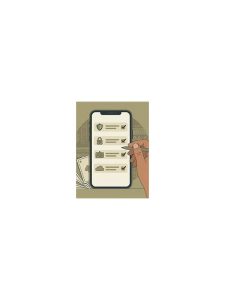
Use a written checklist during practice or replay. You can record the groups you see, the missing ranks, the fallback route, and the reason for the discard. Written notes make skipped steps visible. They also help separate a poor decision from a poor outcome, since a sound process can still lose a hand.
A hybrid method works well. Keep three or four mental questions for live decisions, then use a longer written review afterward. For example, ask “What is my strongest route, what is my fallback, and what card has the fewest jobs?” After the hand, examine whether those answers were supported by the actual cards and rules.
Update the checklist when a repeated mistake appears. Remove questions that never affect an action and add one that addresses the specific error. The aim is not to create a ritual that slows play. It is to make important checks reliable until they become natural.
Test a checklist in a low-pressure setting before relying on it at a quick table. Remove any question that produces no different action and keep wording concrete. “Is this card useful?” is broad; “what job does it have after my discard?” is easier to answer. Revisit the list after a few hands and update it only for a repeated pattern, not for every unlucky outcome. A checklist should support attention, not become a superstition about how a hand must be played. A checklist should support attention, not become a superstition about how a hand must be played.
The best checklist is short, observable, and easy to revise when the rules or playing environment change.