Rummy Safety: Keep Practice Notes Away From Payment Records
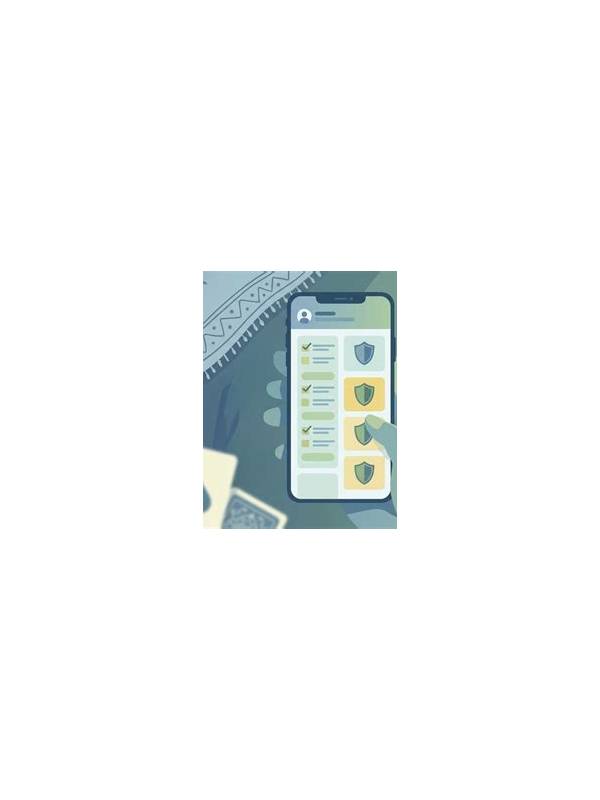
Practice notes can contain hands, screenshots, nicknames, timestamps, and personal observations. Account records can contain transaction references, contact details, or other sensitive information. Keeping these categories separate makes it less likely that a practice file will accidentally expose private account data or that an account message will include unnecessary game history.
Create a simple distinction. Store strategy notes in a practice folder or notebook with no passwords, payment details, or one-time codes. Keep official account records in the platform’s secure area or in a private location intended for financial documents. Give files neutral names and avoid placing sensitive information in filenames, cloud links, or public posts.
Before sharing a screenshot for technical help, crop or cover usernames, balances, transaction references, email addresses, and notification previews. Check the whole image, including the status bar and browser address area. Support staff may need a visible error message, but they rarely need a full account screen. Use only the official support route and do not send secrets.
Review old files periodically. Delete duplicate screenshots that are no longer needed and remove exported data from shared devices. If a practice application stores data remotely, check its privacy settings and sign out when using a borrowed device. Separate browser profiles can also reduce accidental mixing between personal accounts and practice tools.
Good organization supports safer play without adding much effort. Decide before a session where each type of information belongs, then apply the rule consistently. If you are unsure whether a detail is sensitive, leave it out of a shared note and consult official support through a verified channel.
Use device controls that match your situation: screen locks, private browsing where appropriate, notification previews turned off, and sign-out on shared equipment. These are general safeguards, not guarantees. Check the platform’s current privacy and account settings because names and controls can change. If a practice file is stored online, know who can access it and remove sharing links when the exercise is finished. Small boundaries reduce the chance that a harmless review session becomes an accidental disclosure. Small boundaries reduce the chance that a harmless review session becomes an accidental disclosure.
When in doubt, share less, verify the recipient, and use the platform’s documented support process.
That rule is simple enough to remember during ordinary practice reviews.