Rummy Comparison: Low-Point Cards Versus High-Value Connections
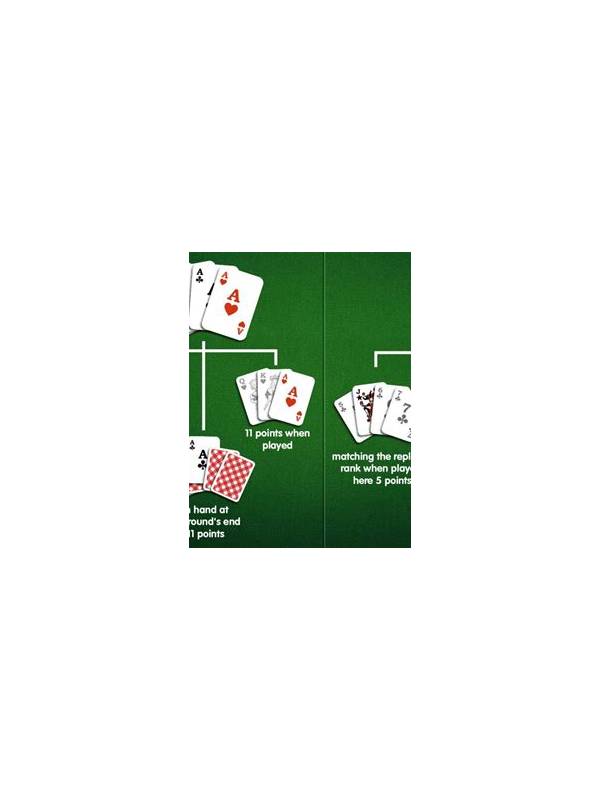
Low-point cards feel safe because they reduce the cost of an unfinished hand. High-value connections feel attractive because they may complete a strong group. The best choice depends on how likely the connection is and how much risk remains if the round ends soon.
Start with the immediate cost. A high card without a job deserves attention because it can create a large penalty. A low card that is isolated may still be worth releasing if it blocks a sequence, but its urgency is lower. This is why penalty should be considered every turn, not only after a loss.
Now evaluate connectivity. A card has high connection value when several unseen cards can improve it and those cards fit realistic routes. A ten of spades beside a nine and jack of spades may be useful despite its point value. A lone three may be low-point but strategically empty. Do not confuse low cost with high usefulness.
Compare two candidate discards by asking what each one leaves behind. Discarding the low card may preserve a group but leave a high singleton. Discarding the high connector may reduce penalty but collapse the only route toward a pure sequence. The better choice is the one that produces the stronger remaining structure at an acceptable risk.
Timing changes the weighting. Early in a round, preserve a flexible high card if it has several genuine jobs and you can safely release it later. In the middle, require progress from the connection. Late in the round, lower penalty and legal completion usually deserve more weight than a distant possibility.
Visible cards also matter. If the cards needed to complete the high-value connection are already gone, its apparent strength is misleading. Conversely, an unseen low card may become useful if the table reveals a supporting route. Update the comparison after major discards.
Neither low-point cards nor connections should receive automatic priority. Think in terms of expected usefulness: how much can the card improve the hand, how soon, and at what cost? That comparison keeps safety and ambition in balance. It also makes a discard explainable, which is a valuable skill when results are uncertain. When the choice is close, prefer the discard that leaves a hand you can explain. “This card was isolated and expensive” is clearer than “I hoped it would become useful.” Clarity does not guarantee success, but it makes later review possible. It also reduces the temptation to change plans after every random draw.