Rummy How-To: Make a Midgame Plan in Thirty Seconds
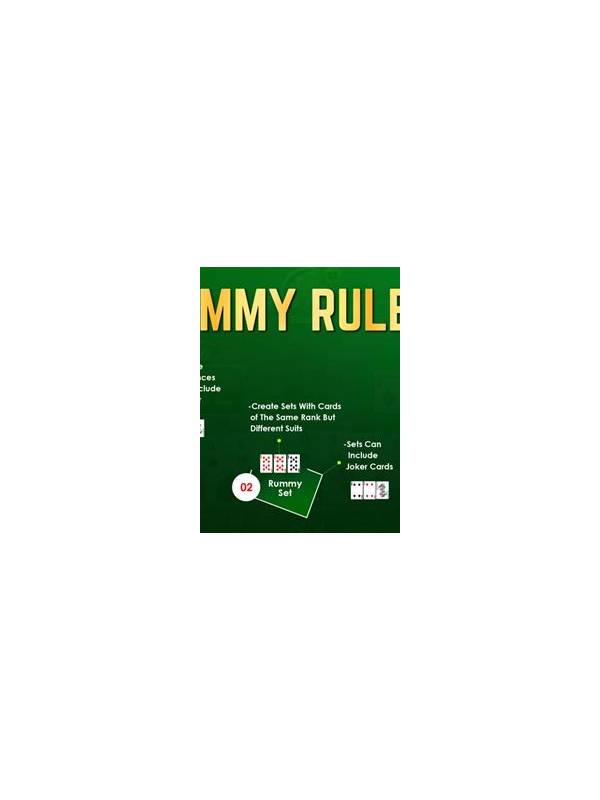
The middle of a rummy hand is where an early plan meets new evidence. You may have drawn cards that changed your best route, seen important discards, or noticed that another player is close to declaring. A thirty-second reset can prevent you from continuing a weak plan simply because it was your first idea.
Begin by identifying the strongest confirmed structure in your hand. A pure sequence, a set with several possible completions, or a nearly complete secondary sequence can anchor the next few turns. Do not count a loose pair as confirmed. You are looking for something that would remain useful even if the next draw is unhelpful.
Second, count unfinished groups. Give each one a short description such as “needs one middle card” or “needs an exact rank.” This language matters because it exposes the difference between flexible and narrow routes. If two groups need the same card, note the conflict. You may be waiting for one card to solve two problems, which can make the hand feel closer than it is.
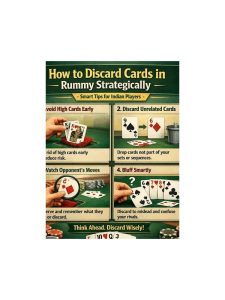
Third, inspect your penalty exposure. High cards without a clear job are expensive if the round ends suddenly. A joker or wild card can reduce points, but it should still have a defined role. Ask whether moving it would repair a group or whether it is only being held because it feels valuable.
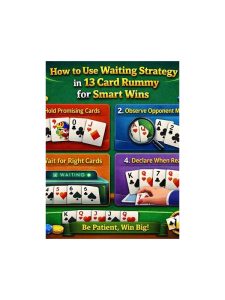
Fourth, compare your speed with the table. If several visible actions suggest that another player is close, prefer a safe reduction of penalty and a robust structure over a glamorous long-shot sequence. If the table is still developing, you can preserve one conditional route for another turn.
Finish by choosing a priority: complete the anchor, test the most flexible unfinished group, or reduce risk. Write the priority mentally in one sentence. For example: “I will protect the pure sequence, test the heart run, and release the unconnected king.”
This process is quick because it does not require calculating every possible hand. It simply replaces vague optimism with three facts: what is built, what is waiting, and what could hurt. Repeat it whenever a major card appears or the table’s pace changes. Do the reset before choosing a card, not after the discard. If the clock is short, use only the first three questions: what is confirmed, what is waiting, and what is expensive. This abbreviated version still prevents the most common error, which is treating an old plan as current simply because it occupied your attention first.