Rummy Tips: Separate Useful Pairs From Decorative Pairs
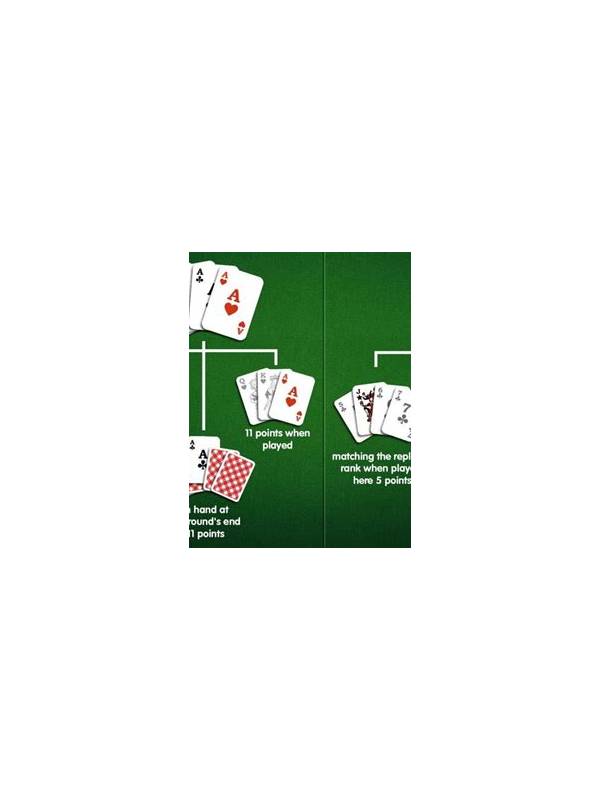
A pair can look attractive because the cards share a rank or sit close together. Yet not every pair deserves to stay in your hand. Some pairs lead naturally to a set or sequence, while others merely make the hand look organized. Distinguishing the two helps you discard earlier and reduce dead weight.
Give every pair a connection test. First, ask whether a third card can complete a likely set. If you hold two queens, the remaining queens may be useful, but their availability is limited. Check visible cards before treating the set as a live plan. Second, ask whether either card can join a sequence with a nearby card in the same suit. A pair of adjacent suited cards is often more flexible than two cards with only a shared rank.
Then consider duplication of purpose. If both cards are already supported by another group, keeping them may be sensible. If the pair is your only connection, it can consume space while you wait. A pair is especially weak when it needs several exact cards, competes with your pure-sequence requirement, or blocks a more promising route.
Use a simple label system: active, conditional, or decorative. Active pairs have at least two realistic completion routes. Conditional pairs have one route that depends on a visible or scarce card. Decorative pairs have no clear next card or would force you to break a better structure. Revisit these labels after every draw because a single card can change the evaluation.
Suppose you hold four and five of clubs plus two nines. The club pair may support a sequence through three or six of clubs. The nines might become a set, but only if another nine arrives. If a third club creates a strong sequence, the nines become easier to release. If the discard pile shows several clubs gone, the pair may become conditional instead.
The aim is not to reject every pair. It is to assign each pair a job and a deadline. Keep a pair when it strengthens a realistic arrangement. Release it when it remains decorative after better information appears. This small habit keeps your hand flexible without confusing visual neatness with progress. You can also compare a pair with the opportunity cost of its best card. If one card fits a completed or nearly completed sequence, the pair may be less important than it appears. If both cards remain replaceable and the pair has several unseen completions, keeping it is reasonable. Revisit the decision after every meaningful draw instead of defending the original label.