Rummy Hand Symmetry: Compare Leftover Work Across Suits
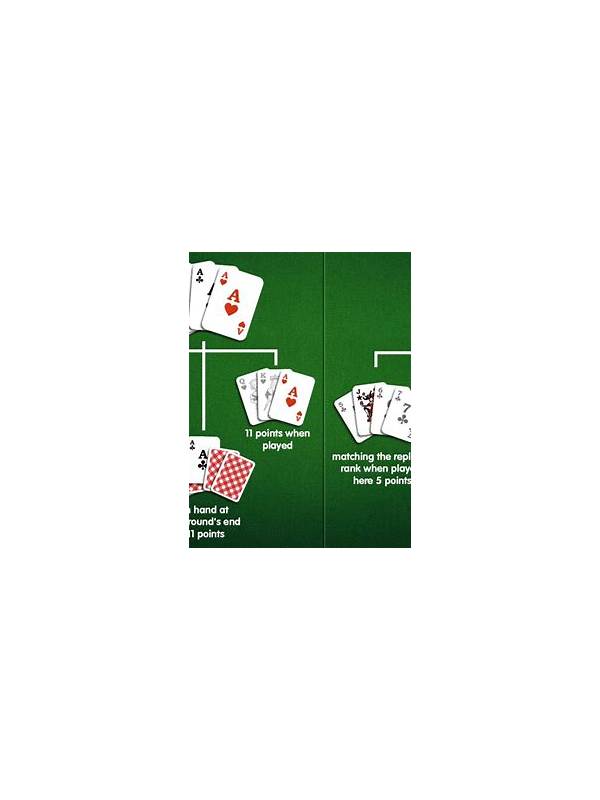
When a rummy hand contains several attractive pairs, it is easy to focus on the most obvious connection. A better approach is to compare the shape of the whole hand after each possible grouping. This is a simple form of hand symmetry: you ask whether one choice leaves similar, manageable work across the remaining suits and ranks, or whether it creates one awkward cluster that will be difficult to repair.
Start by writing the cards in suit order, then mark natural sequences, possible sequences, and isolated cards. Do not decide that a pair is valuable merely because the two cards are close in rank. Look at what happens to the cards that are not in that pair. For example, a connected pair in one suit may leave three unrelated high cards elsewhere. Another choice may look less exciting but leave two small pairs and one easy connector. The second shape can offer more useful exits.
Compare the remaining work in three categories. First, count cards that need one specific missing rank. Second, count cards that have two or more plausible connections. Third, identify cards that have no current role. A hand with fewer total gaps is generally easier to manage, but flexibility matters too. One missing card can be acceptable if several alternative cards could improve the position.
This comparison is especially useful before drawing from a closed pile. You cannot know which card will arrive, so choose the arrangement that remains reasonable across several outcomes. Avoid building a plan that succeeds only if one exact card appears immediately. Keep a primary route and a fallback route, and know which card you would release if neither route improves.
Hand symmetry is not a promise of success. It is a visual check against tunnel vision. Reassess it after every meaningful draw, because a new card can make an old grouping unnecessary. The goal is not to make the hand look perfectly balanced. The goal is to reduce the amount of leftover work while preserving enough options to respond to the next turn.
You can make the check faster by comparing only the two best arrangements. For each one, write the next desired card and the easiest card to release. If either answer is missing, the arrangement is less stable than it first appeared. This also helps when a joker is involved: judge whether the joker reduces a real dependency or merely makes an attractive group look finished. After the hand, note which arrangement you chose and whether its leftover work was actually easier. That feedback turns a visual idea into a repeatable practice habit.